Product Knowledge

Transformer
Transformer oil leakage is a common operational issue that can directly affect equipment insulation performance, cooling efficiency, and overall system reliability. If not identified and handled properly, even minor oil leaks can gradually develop into serious safety hazards, environmental risks, and unplanned downtime. Therefore, establishing a systematic approach to leak judgment, root cause analysis, and emergency response is essential for safe transformer operation.
PCB
In the 20th century, due to their excellent chemical stability, high insulating properties, non-flammability, and good thermal conductivity, PCBs were widely used in the electrical industry, particularly as insulating and cooling media inside transformers and capacitors. At that time, they were considered an ideal material that could improve equipment reliability and reduce fire risks in high-voltage systems. However, these once highly prized properties later made PCBs a serious global environmental and public health problem.
Star Connection
The configuration of transformer windings plays a crucial role in the transmission, transformation, distribution, and management of voltage in power systems. Different winding connection methods determine not only voltage levels and phase relationships, but also grounding behavior, fault performance, harmonic control, and load adaptability. Among various three-phase transformer configurations, the Delta (Δ) connection and the Star (Y) connection are the two most commonly used in industrial, commercial, and utility applications due to their distinct electrical characteristics and practical advantages.
Transformer
Transformers are foundational assets in any electrical infrastructure, influencing energy efficiency, operational stability, maintenance costs, and long-term system resilience. While upfront price often becomes the focus during procurement, the true value of a transformer lies not in its initial cost but in its performance over decades of service. High-performance transformers—designed with advanced materials, refined engineering, and optimized thermal and electrical characteristics—offer substantial advantages that translate directly into operational, financial, and environmental benefits.
Transformer
Transformers are foundational components in electrical distribution systems, responsible for voltage conversion, network stability, and the safe delivery of power to end-use equipment. Whether deployed in industrial manufacturing, commercial buildings, utilities, or renewable energy systems, choosing the right transformer determines not only how efficiently the system performs today but also how reliably it operates over decades. A carefully considered selection process minimizes long-term risks, improves operational efficiency, and lowers overall lifecycle costs.
Load Break Switch
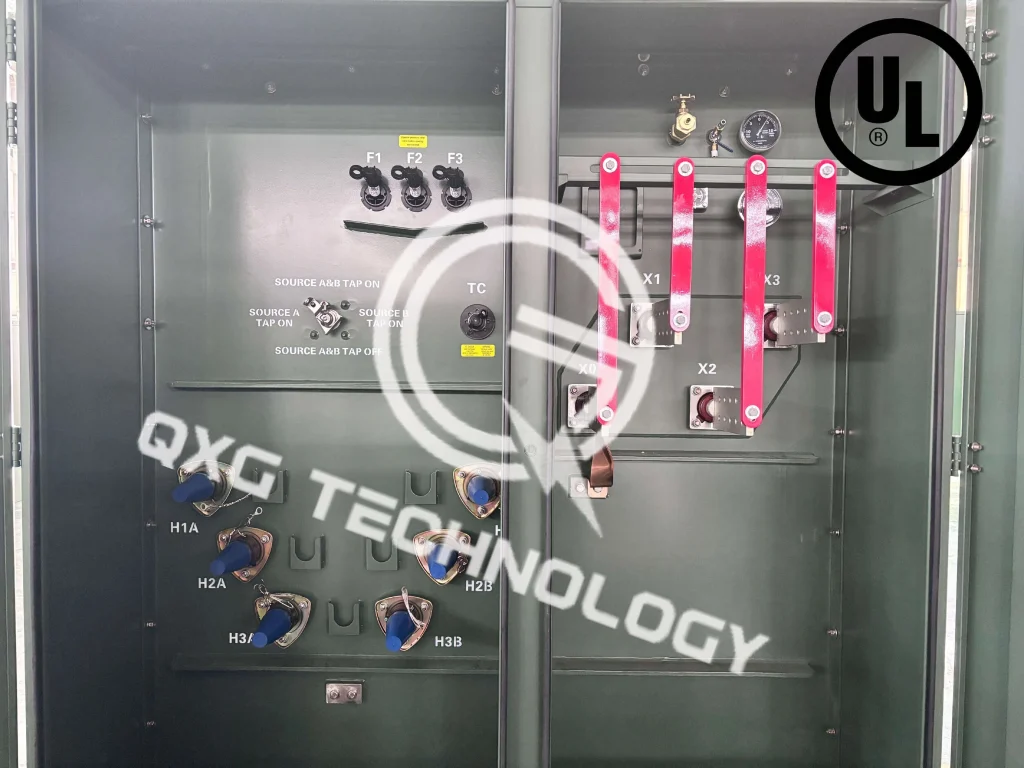
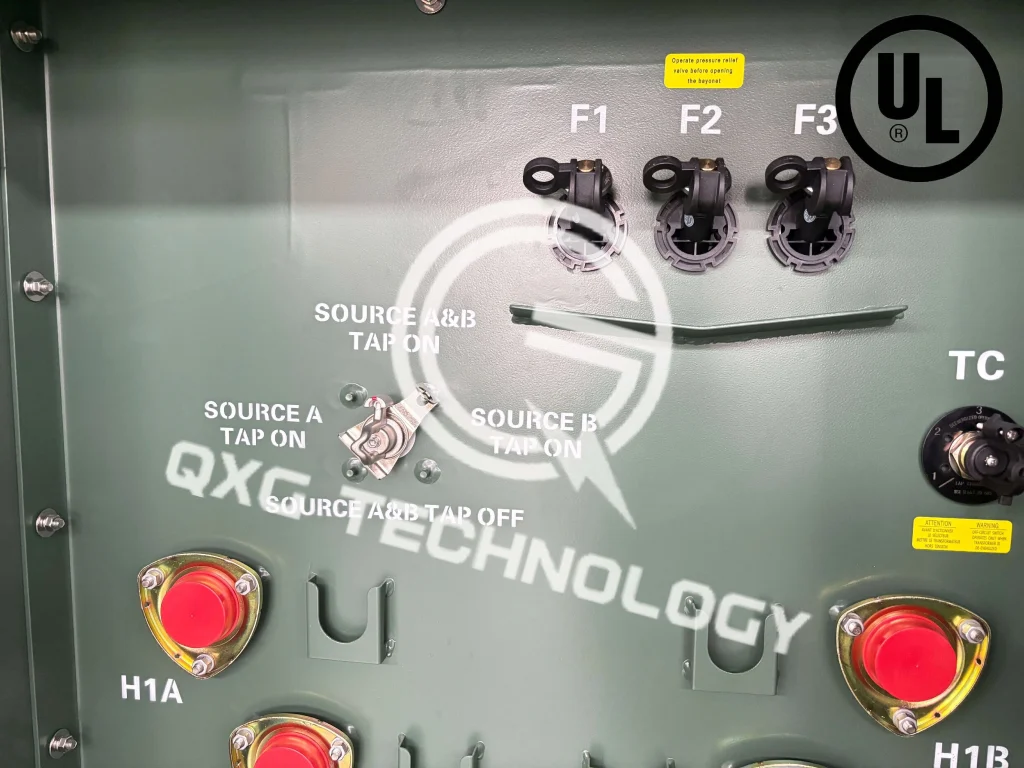
From tap changers to protective fuses, each built-in accessory plays a critical role in safeguarding the stability of the power system. This article will explore how these "standard components" work behind the scenes to ensure the transformer's long-term efficiency and durability, as well as the overall safety and security of the electrical grid.
Connection
Three-phase transformers are at the heart of modern power distribution networks, supplying factories, commercial buildings, and residential areas with stable and efficient electrical energy. To optimize cost, reduce material usage, and save space, most three-phase transformers integrate three independent transformer units onto a shared magnetic core instead of using three separate single-phase transformers.
Pad Mounted Transformer
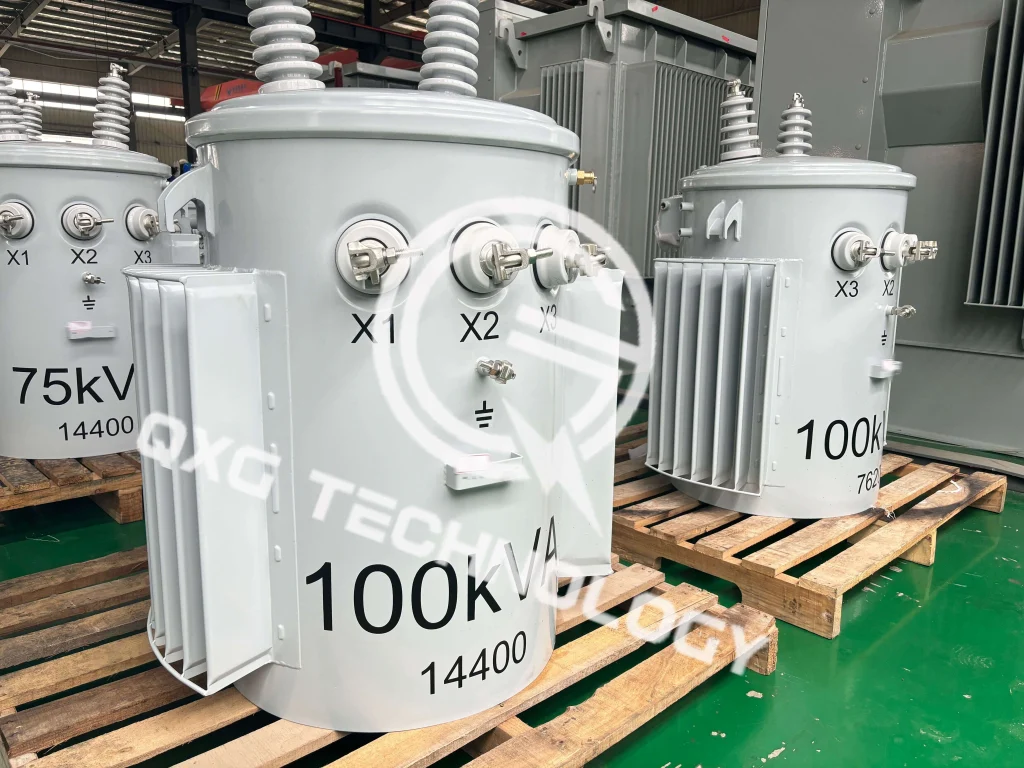
Choosing the right transformer is crucial to your success. It can ensure efficient operation, maintain product quality and support long-term development. Cooperating with QXG support one-stop transformer solution.
Iron Cores
In this article, we explore why iron cores are used, how magnetic fields facilitate energy transfer, and how turn ratios determine voltage transformation. Understanding these principles helps you better evaluate transformer performance and select the right equipment for long-term operational stability. 
CX Corrosion Protection Grade
In the field of electrical engineering, transformers play a vital role in ensuring the safe and reliable transmission of electrical energy. However, when operating in high-corrosion environments such as coastal regions or industrial zones, their longevity and reliability are significantly influenced by their resistance to environmental degradation. The CX corrosion protection grade, particularly the C4 and C5-I/M levels, represents a crucial performance indicator for transformers designed to withstand these demanding conditions.
Installation Of The Transformer
The installation of a transformer is a critical stage that directly affects its operational reliability, safety, and service life. Whether the transformer is used in an industrial plant, substation, or commercial facility, every step of installation must adhere to strict technical standards and safety regulations. Proper site selection, structural support, electrical connection, and grounding procedures form the foundation for stable and efficient transformer operation.
Dry Type Transformer
In modern petrochemical plants, reliable and efficient power distribution systems are essential to ensure continuous production and operational safety. Among the key components of these systems are transformers, which are responsible for stepping up or stepping down voltage levels to meet the electrical demands of various equipment and processes. Two main types of transformers—oil-immersed transformers and dry-type transformers—are widely used in industrial settings. While both serve the same fundamental purpose, their construction, performance, and safety characteristics determine their suitability for different application scenarios within petrochemical facilities.
TYPE TO SEARCH