


In the 20th century, due to their excellent chemical stability, high insulating properties, non-flammability, and good thermal conductivity, PCBs were widely used in the electrical industry, particularly as insulating and cooling media inside transformers and capacitors. At that time, they were considered an ideal material that could improve equipment reliability and reduce fire risks in high-voltage systems. However, these once highly prized properties later made PCBs a serious global environmental and public health problem.
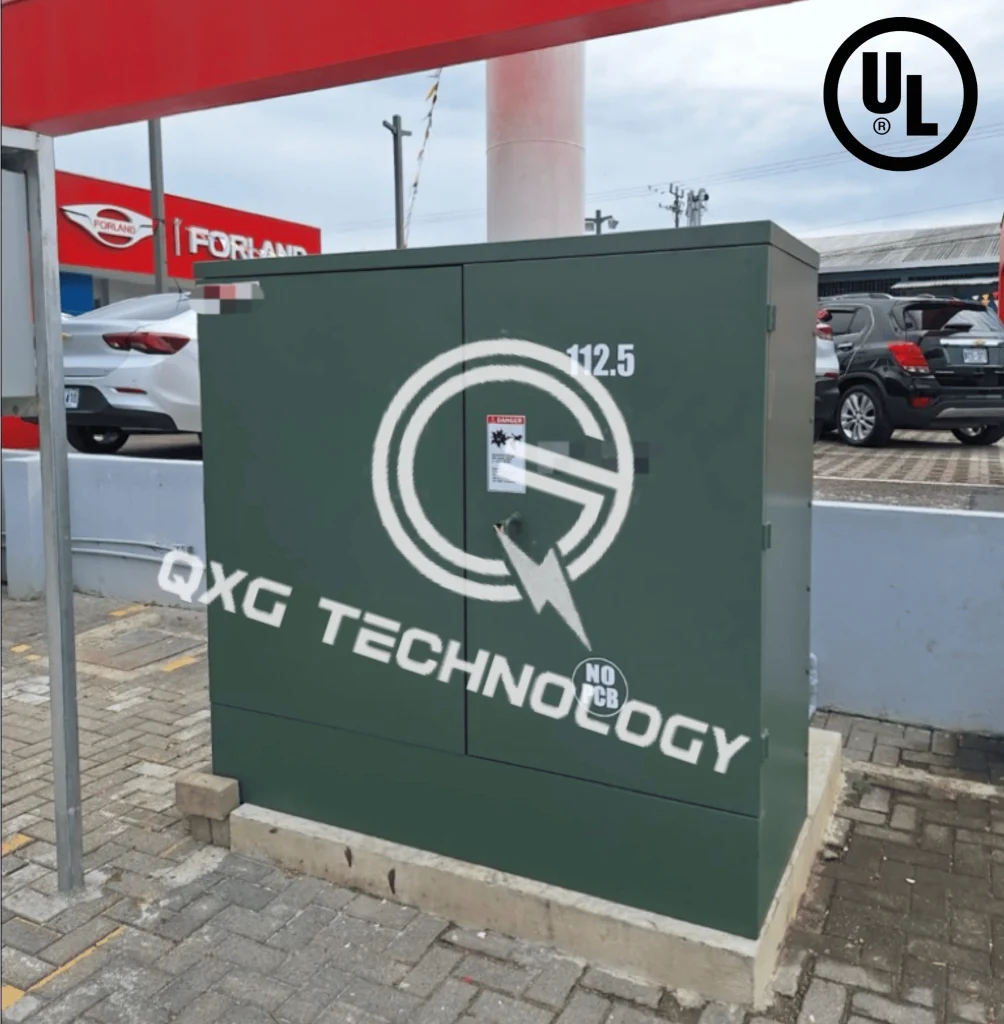
The Hazards of PCBs: A Persistent and Deadly “Legacy”
The hazard of PCBs stems primarily from their extreme chemical and biological inertia:
High Toxicity and Bioaccumulation:
PCBs are a confirmed carcinogen and can interfere with the endocrine system, damaging the nervous system, liver, and skin. Because they are resistant to natural degradation, they accumulate in soil, water, and living organisms. Through the food chain—especially in fish and marine life—PCBs become increasingly concentrated, ultimately posing long-term risks to human health.
Environmental Persistence:
PCBs can persist in the environment for decades and travel long distances through air and water currents. As a result, they have been detected not only in industrial regions but also in remote areas such as the Arctic and Antarctic, demonstrating their global impact.
Risk of Secondary Pollution:
Equipment containing PCBs can generate even more toxic by-products such as dioxins if exposed to fire, high temperatures, or improper disposal. This makes accidents, fires, or illegal dumping of old transformers particularly dangerous to both ecosystems and human health.
Given these serious hazards, many countries began phasing out the production and use of PCBs from the 1970s onwards. They were later listed among the first Persistent Organic Pollutants (POPs) targeted for elimination under the Stockholm Convention, adopted in 2001.
Why Are PCBs Banned in Transformers?
Historically, PCB oil (sold under trade names like Aroclor) was once regarded as the ideal insulating oil for large power transformers because of its stability and fire resistance. However, precisely due to its environmental and health risks, the global use of PCBs in new electrical equipment is now strictly prohibited. Existing PCB-containing transformers must be gradually phased out and disposed of under strict regulations. The main reasons are:
Leakage Risk is the Core Issue:
Transformers may leak during long-term operation or due to accidents, aging seals, or mechanical damage. Once PCB-containing insulating oil leaks into soil or groundwater, it can cause long-lasting contamination that is extremely difficult and expensive to remediate.
End-of-Life Disposal Challenges:
When transformers reach the end of their service life, both the internal PCB oil and PCB-impregnated solid materials (such as insulating paper) are classified as hazardous waste. They must be treated by specially licensed facilities using methods such as high-temperature incineration under strict environmental supervision, which involves significant cost and complexity.
Solutions in Modern Transformer Factories
To eliminate dependence on PCBs, modern transformer manufacturers have fully transitioned to safer and more environmentally friendly insulating solutions.
Mainstream Solutions: Mineral Oil and Enhanced Ester Oils
High-Performance Mineral Oil:
This is the most widely used insulating medium in today’s transformers. Modern refining technologies can produce mineral oil with excellent oxidation resistance, high dielectric strength, and good thermal performance. It is also biodegradable, relatively low-cost, and easier to handle and dispose of compared with PCBs.
Natural Esters (Vegetable Oil-based) and Synthetic Ester Insulating Oils:
These are rapidly growing eco-friendly alternatives.
Natural esters, such as those based on soybean or rapeseed oil, have a high flash point, are renewable, and exhibit excellent biodegradability (degradation rates over 98%). They are especially suitable for environmentally sensitive or fire-sensitive areas, such as indoor substations, commercial buildings, or nature reserves.
Synthetic esters also have high fire points, strong thermal stability, and good biodegradability. Their performance is even more robust, making them suitable for high-load or special applications.
Solid Insulation and Dry-Type Transformers
For medium- and low-voltage applications, dry-type transformers using solid materials such as epoxy resin casting or vacuum pressure impregnation (VPI) are widely adopted. Since they contain no insulating oil, they fundamentally eliminate the risks of oil leakage and fire. For this reason, they are commonly used in high-rise buildings, subways, hospitals, and data centers.
Conclusion
The history of PCB use in transformers is a classic example of how a material once seen as an industrial advantage later became an environmental threat. This shift played an important role in raising global environmental awareness and promoting stricter control of hazardous substances.
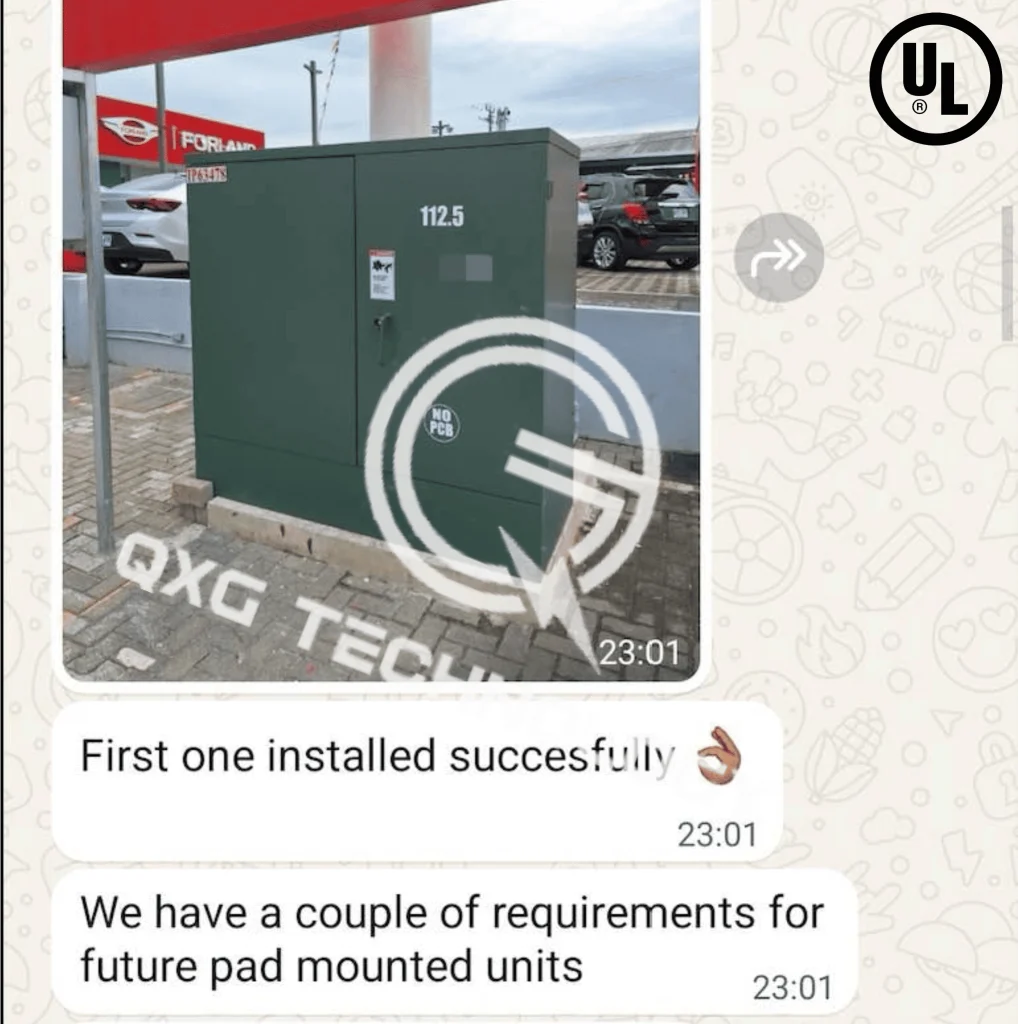
QXG transformer factory has successfully transitioned, through technological innovation, to green solutions represented by high-performance mineral oils, eco-friendly ester oils, and dry-type transformer technology. This transformation reflects not only regulatory compliance but also a commitment to sustainable development and environmental responsibility.
Phasing out PCBs and adopting green insulating technologies—while maintaining grid safety and stability—has become a shared consensus and practical action across the global power industry.