Product Knowledge

Pole Mounted Transformer
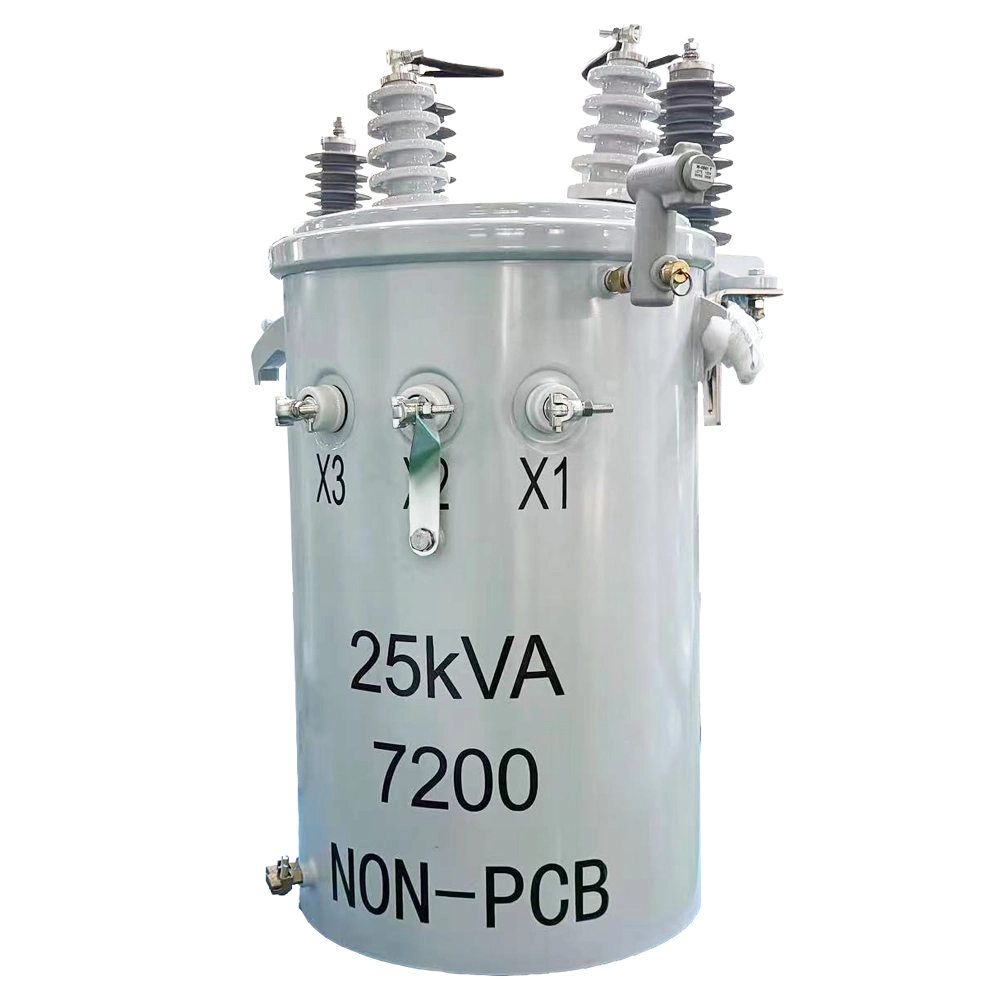
Among the many types of transformers used across the grid, the pole-mounted transformer is one of the most common, especially in residential neighborhoods and rural distribution systems. These compact, elevated devices are crucial for delivering usable low-voltage electricity to millions of end users around the world.
Three phase pad mounted transformer
Pad-mounted transformers are critical components of modern power distribution networks, widely used in residential areas, commercial complexes, and industrial facilities. Unlike pole-mounted transformers, which are suspended on utility poles, pad-mounted transformers are installed at ground level in a tamper-proof, weather-resistant enclosure. Among them, single-phase and three-phase pad-mounted transformers are the two primary categories, and each serves distinct functions depending on the application. Understanding their differences is essential for engineers, contractors, and utility planners to ensure proper system design and cost-effective operation.
Pad-Mounted Transformer
Transformers are essential components in electrical distribution systems, stepping down high-voltage electricity to safer levels for residential, commercial, and industrial use. While the core operating principle is the same for all transformers, their physical designs and installation methods differ significantly. Two of the most common types used in distribution networks are pad-mounted transformers and pole-mounted transformers. Each type has its own advantages, limitations, and best-use scenarios.
Pad Mounted Transformer
Transformers are indispensable components of the electrical distribution system, converting high-voltage electricity into usable voltage levels for end users. Among the many types of transformers in service today, substation transformers and pad-mounted transformers are two of the most widely used, each serving a distinct role in the power network. While both types perform voltage transformation, they differ in design, scale, application, and operational characteristics. Understanding these differences is essential for electrical engineers, utility planners, and facility managers when selecting equipment for a project.
Pad Mounted Transformer
Pad-mounted transformers are a vital part of modern electrical distribution systems, delivering safe, reliable power to residential neighborhoods, commercial complexes, and industrial facilities. Unlike pole-mounted transformers, which are elevated and visibly mounted on utility poles, pad-mounted units sit on a concrete pad at ground level, enclosed in a secure, tamper-resistant housing. Their design makes them ideal for underground power distribution networks, where safety, accessibility, and aesthetics are key considerations.
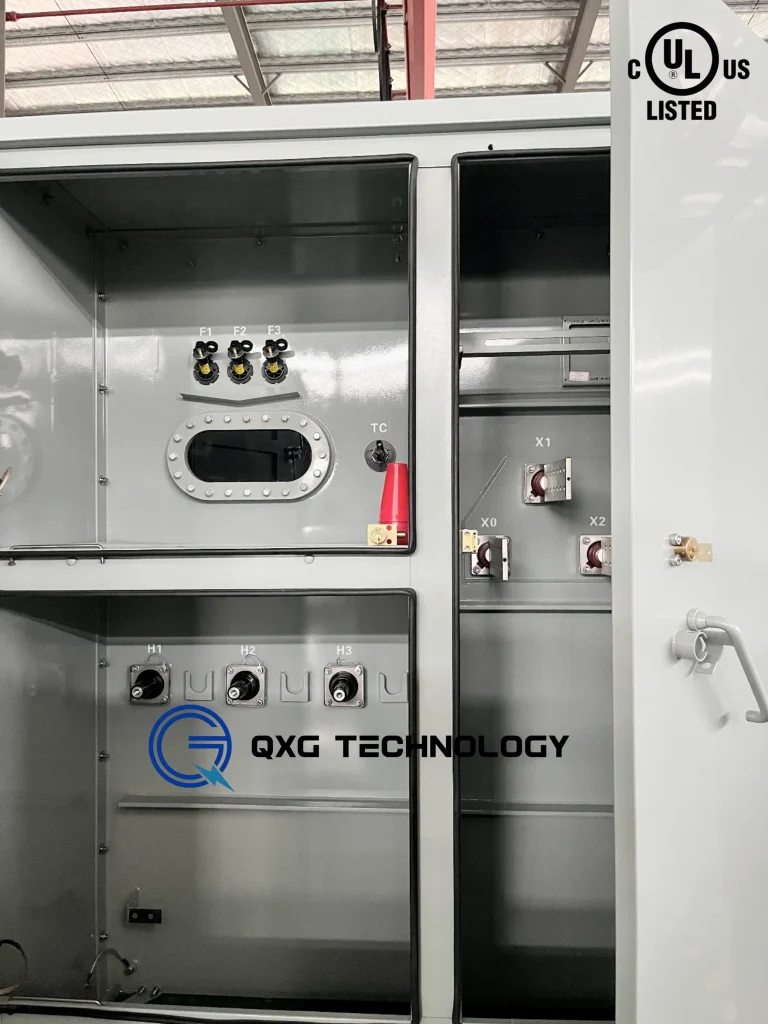
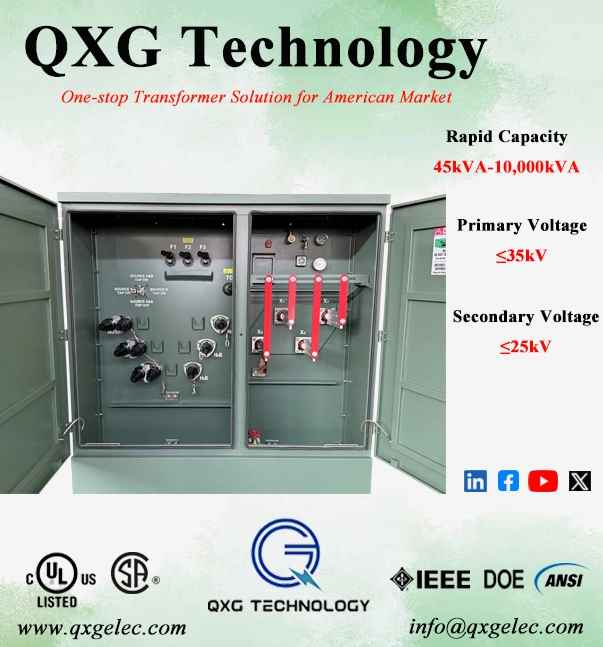
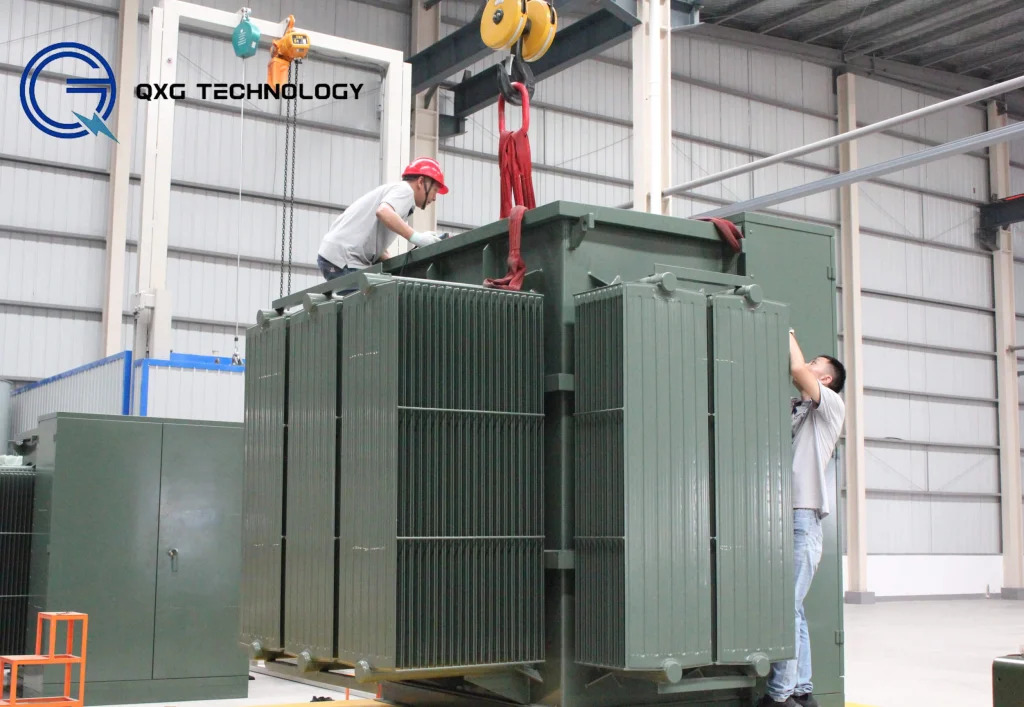
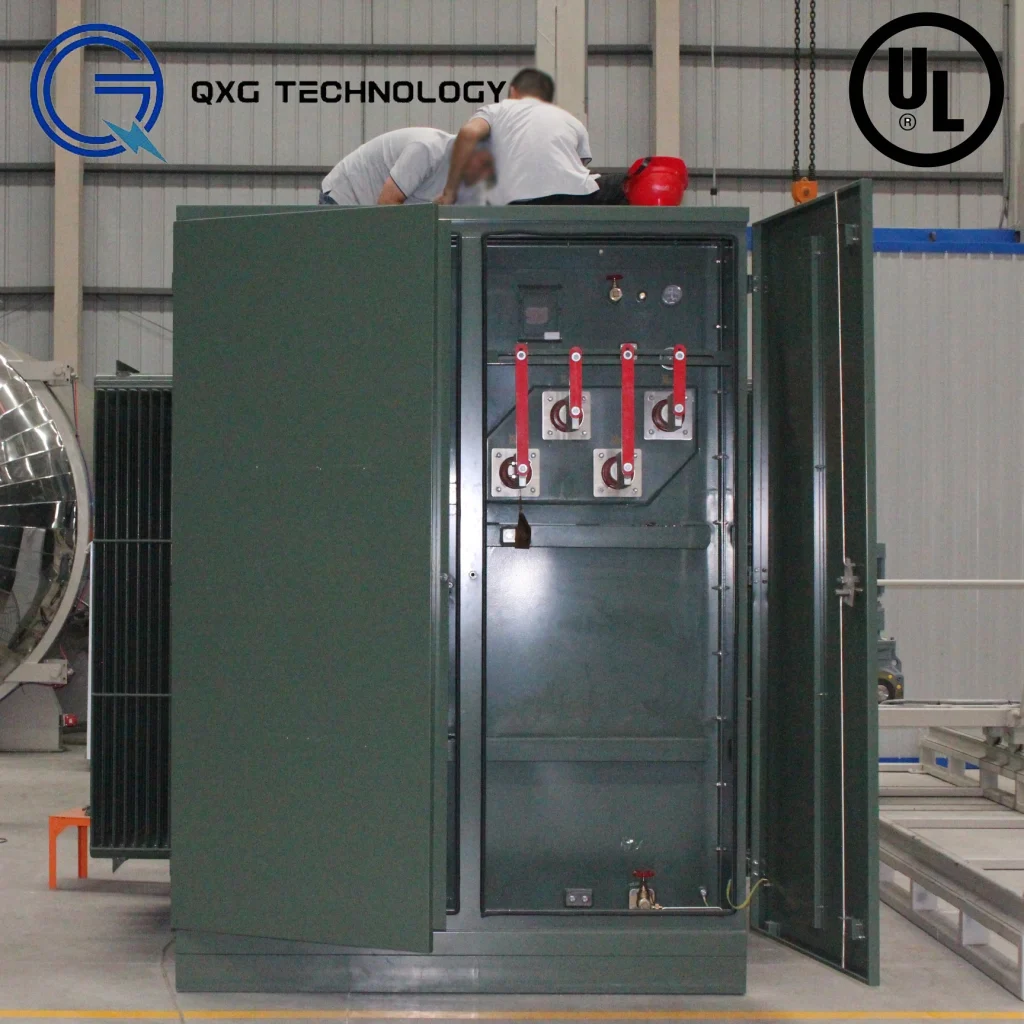
QXG pad mounted transformers are engineered for reliability, safety, efficiency and long-term value in modern power distribution. Certified by UL and CUL, they meet strict North American safety standards. With precision engineering ensuring stable performance and longevity, QXG offers fast deliveries via efficient logistics to keep projects on track.
Transformer Packaging
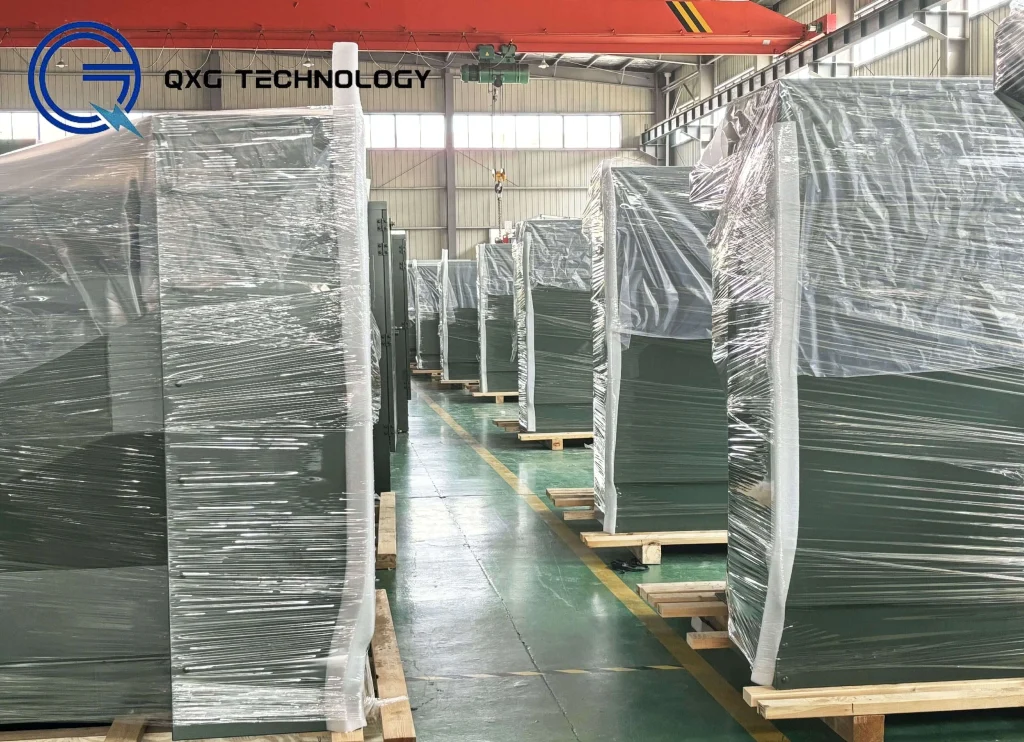
Transporting electrical equipment like transformers requires more than just careful logistics—it demands well-engineered packaging to safeguard the product from shock, vibration, and environmental hazards during transit. At QXG Company, every packaging decision is made with the goal of ensuring that transformers arrive at their destination in pristine condition. By selecting materials that are appropriate for the size, weight, and structural sensitivity of each unit, QXG enhances protection and reliability across its delivery chain. This article explores the company’s transformer packaging strategy and the key materials and practices used to preserve product integrity during transportation.
Pad Mounted Transformer
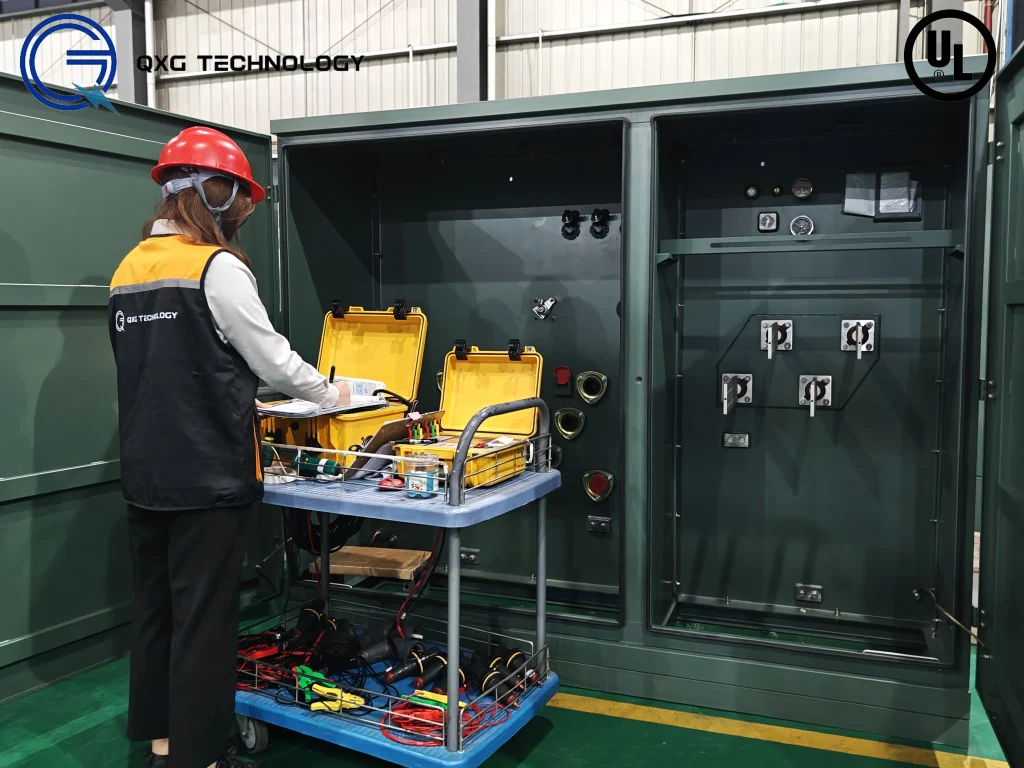
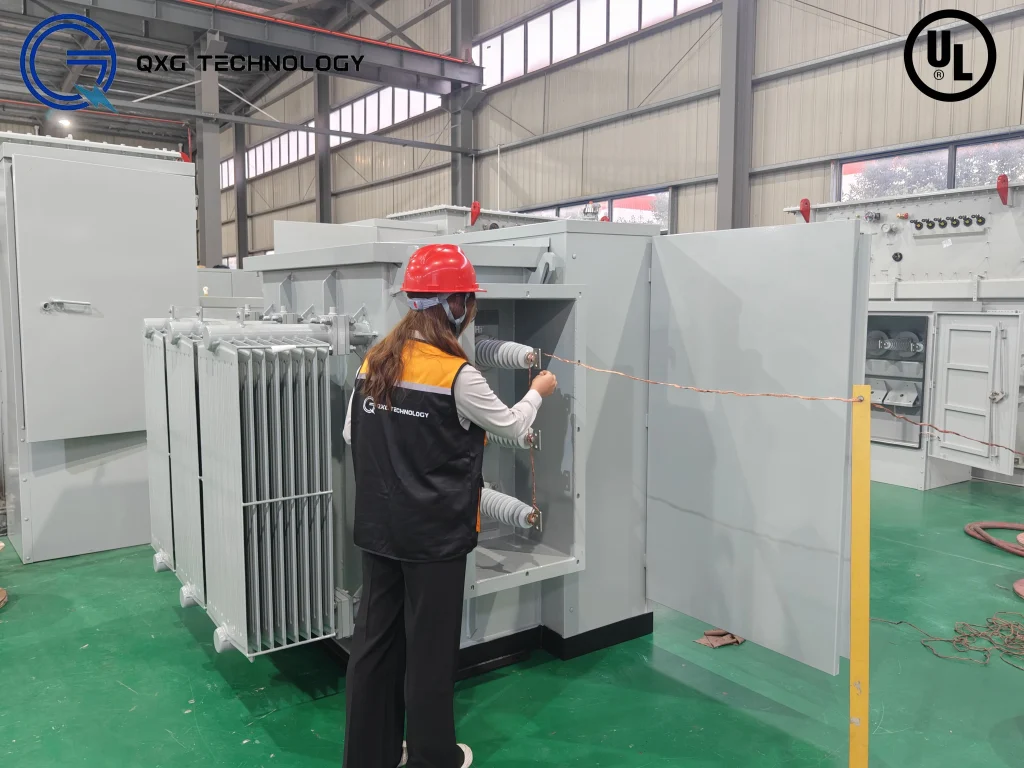
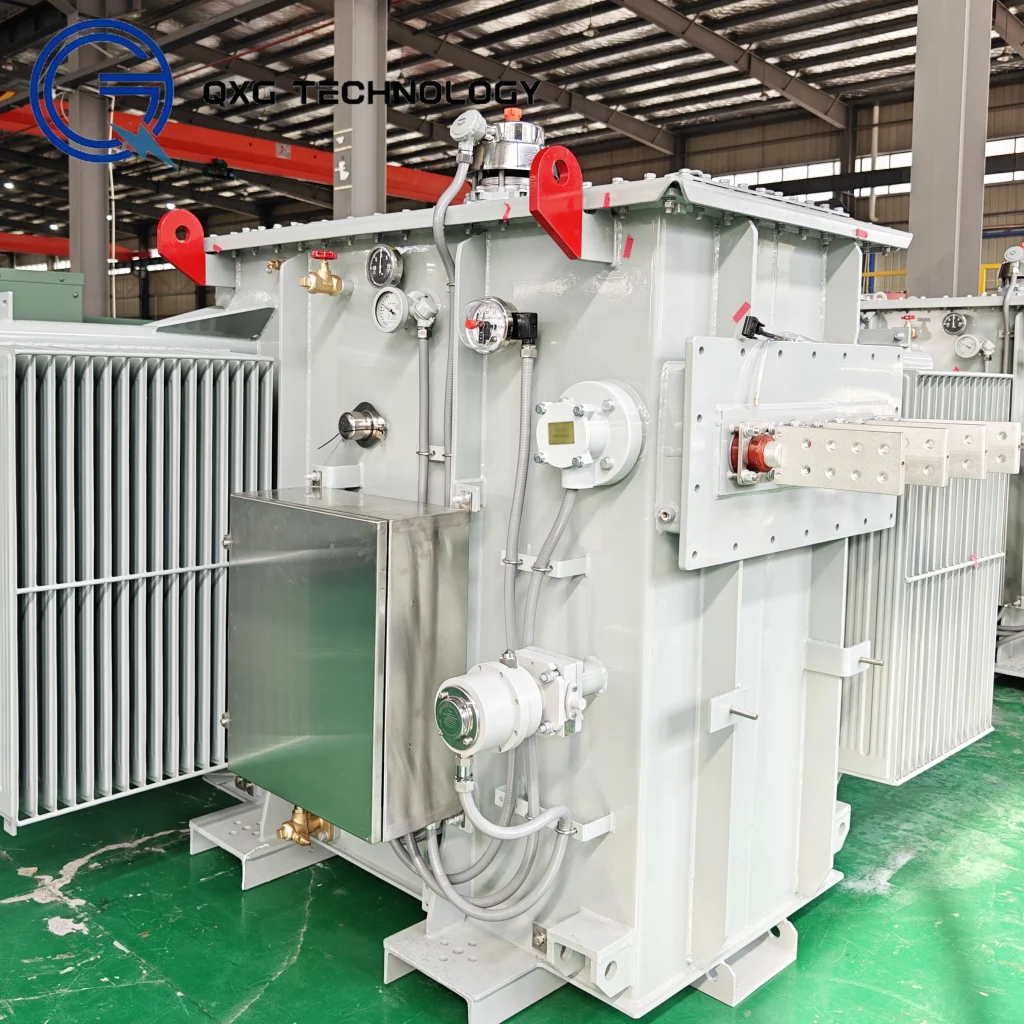
As a critical component in power distribution systems—often used in commercial, industrial, and utility networks—this transformer must undergo a thorough inspection process to verify both structural integrity and technical conformity. This article outlines the key areas of pre-shipment inspection for the QXG transformer and explains why each step is vital to maintaining high standards of performance and safety.
Substation Transformer
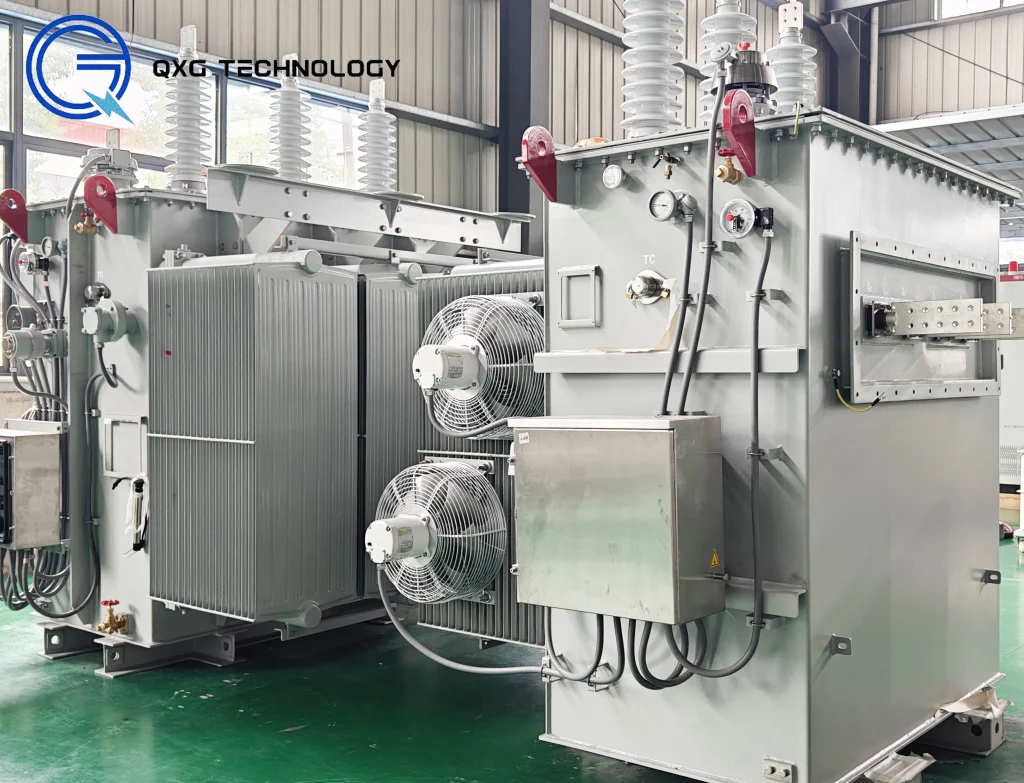
AI databases require a consistently stable and clean power supply to maintain the performance of servers, storage systems, and computational clusters. Substation transformers play a pivotal role in this process by converting high-voltage electricity from the utility grid into low-voltage outputs suitable for data center equipment. Beyond simple voltage conversion, these transformers ensure power quality, load balancing, and long-term operational reliability. Their ability to handle continuous high energy demand makes them essential infrastructure for supporting AI workloads and preventing costly disruptions.
Single phase pad mounted transformer
In modern power distribution networks, especially within the infrastructure of public utilities, various types of power equipment work in coordination to ensure the safe, efficient, and stable delivery of electricity. Among them, single phase pad mounted transformers stand out as a critical component, particularly in low- to medium-voltage distribution systems. These transformers are specifically designed for outdoor use and are commonly installed at ground level, enclosed in tamper-proof cabinets for enhanced safety and reliability. Their compact design, ease of installation, and excellent performance in various scenarios make them indispensable in supporting the electrical demands of urban and suburban environments.
Three-phase-pad-mountred-transformer
In the energy landscape of the United States, power plants serve as the central hubs of electricity generation, forming the foundation of the nation’s power supply system. From large-scale thermal power plants to renewable energy facilities such as wind farms and solar power stations, these generation units produce electricity that must be distributed efficiently, reliably, and safely across the grid. At the heart of this transmission and distribution process lies a crucial piece of equipment: the three-phase pad-mounted transformer.
TYPE TO SEARCH