


In modern power systems—whether industrial, commercial, or residential—the transformer plays an irreplaceable role. It is the heart of electrical energy conversion, ensuring that voltage is delivered at the right level to every piece of equipment and facility. Choosing the right transformer does not simply support equipment operation; it determines energy efficiency, operational stability, product quality, and long-term sustainability.
For enterprises in manufacturing, infrastructure, utilities, and engineering, partnering with a reliable transformer manufacturer is a strategic decision. QXG provides a one-stop transformer solution—from design and customization to production, testing, installation, and after-sales support—ensuring every project runs safely and efficiently.
Below, we break down the most essential questions surrounding transformers to help you understand how these devices support modern electricity usage and why choosing the right one matters.
What Is the Main Function of a Transformer?
Transformers are fundamental components in all AC electrical systems. Their main function is to convert voltage from one level to another, typically stepping voltage up for long-distance transmission or stepping it down to safe levels for end users.
This conversion ensures that electricity is efficiently delivered across vast distances without excessive energy loss. It also allows equipment—whether household appliances or industrial machinery—to receive the appropriate voltage required for safe operation.
Without transformers, modern power distribution networks simply could not exist.
Understanding Three-Phase Transformers and Their Applications
Three-phase transformers are essential for areas with high electrical demands. Unlike single-phase transformers, they can simultaneously process three-phase AC power, offering higher stability and power capacity.
They are widely used in:
Large commercial buildings
Industrial plants
Data centers
Manufacturing facilities
Public infrastructure
High-power equipment applications
These transformers typically feature delta-configured primary and secondary windings, allowing them to handle demanding electrical loads and support stable, continuous power delivery.
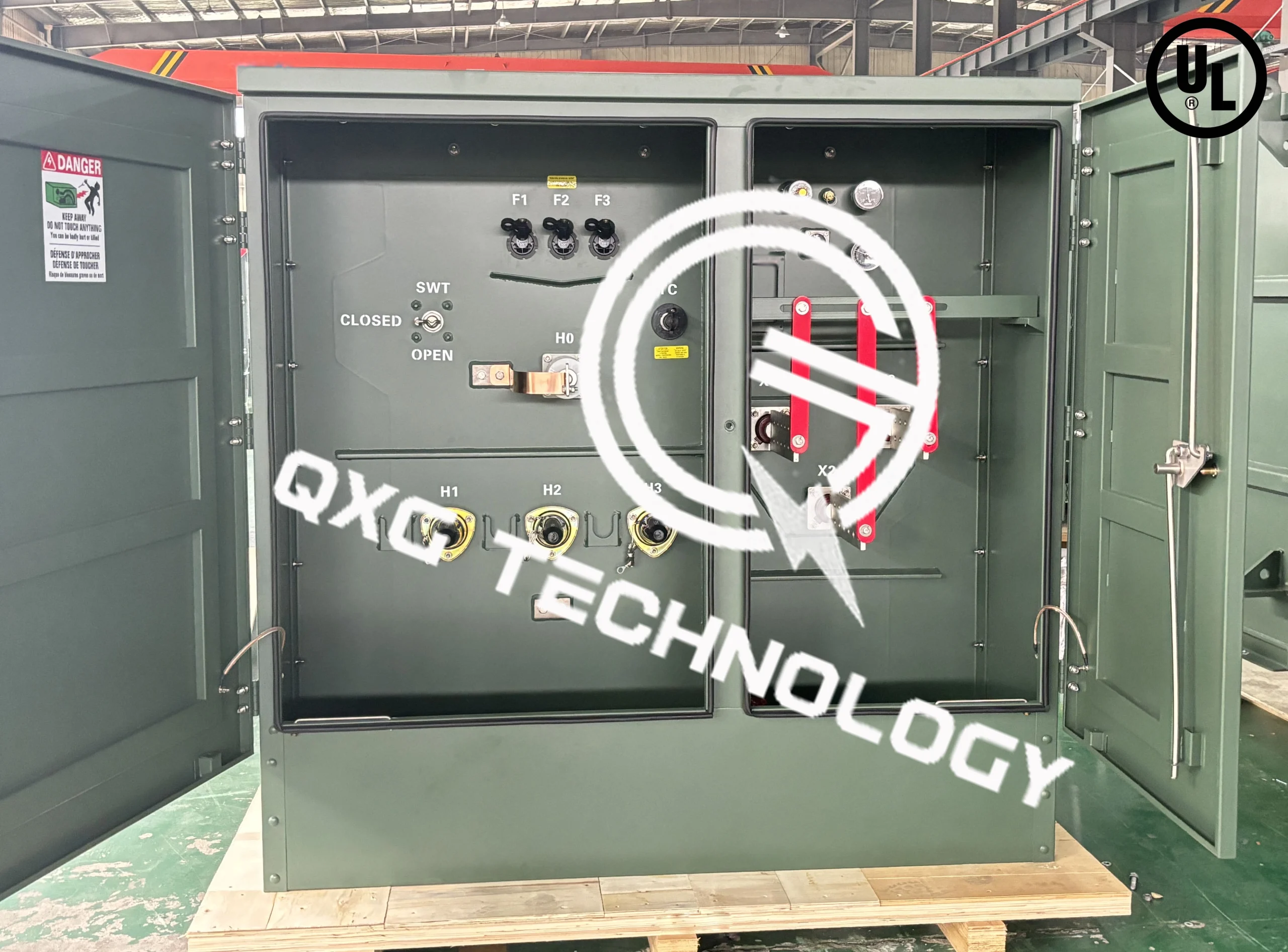
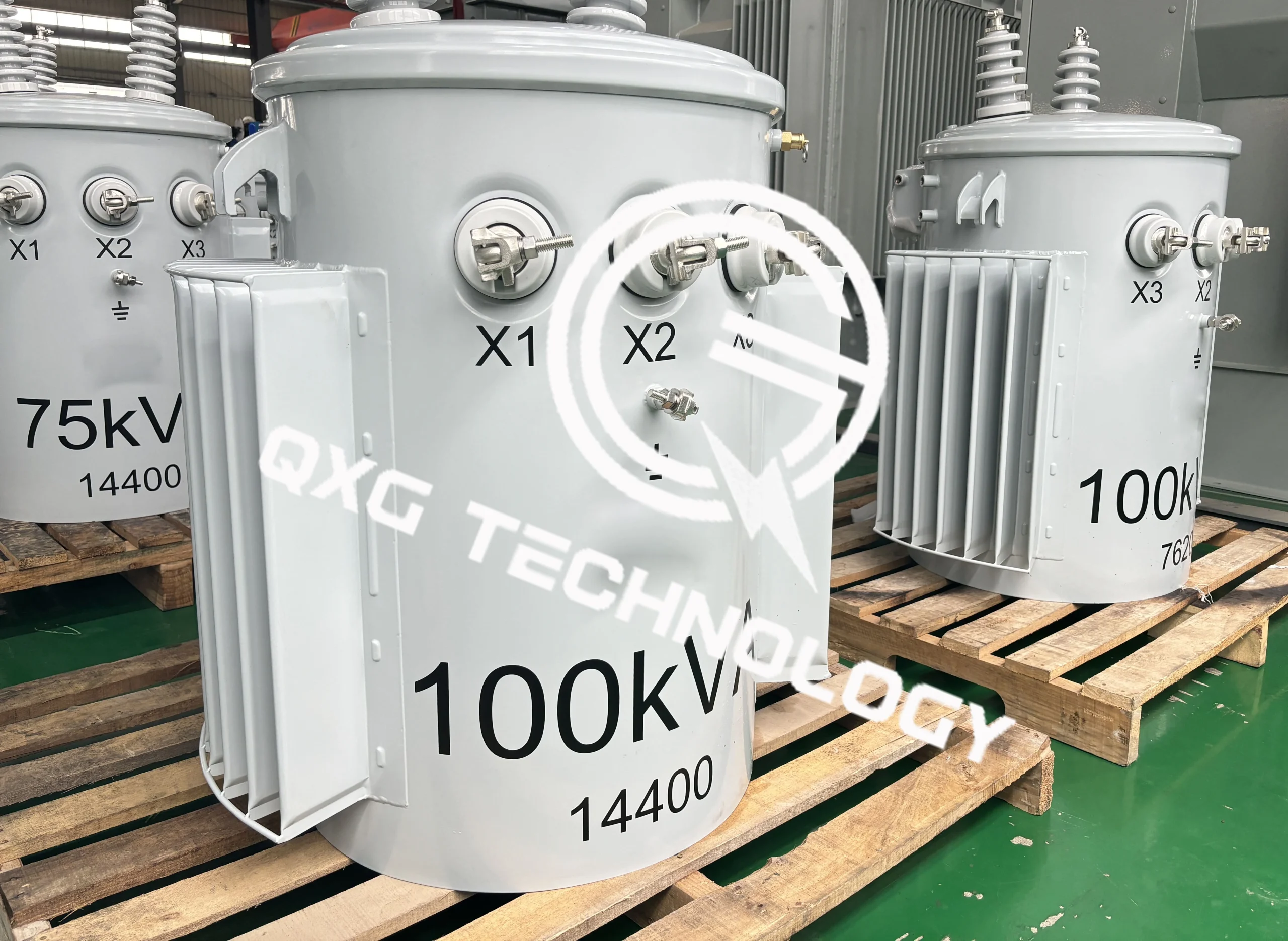
In residential areas, the power demand is moderate and does not require a three-phase system. Instead, single-phase transformers—either pole-mounted or pad-mounted—are used.
These transformers step down the distribution voltage to a safe, usable level for households, ensuring that appliances operate reliably and efficiently.
Single-phase systems are ideal for:
Lighting
Household electronics
Small appliances
General home power needs
How Residential Voltage Is Configured for Safe and Efficient Use
Residential power in many countries, such as the United States, uses a single-phase 120/240V system.
Two hot wires deliver power.
The voltage between the two hot wires is 240 volts, used by high-power appliances like HVAC systems, ovens, and clothes dryers.
The voltage between each hot wire and the neutral wire is 120 volts, used for general lighting and standard household devices.
This configuration delivers both flexibility and safety, ensuring households can efficiently operate a range of equipment without requiring industrial-grade power supply.
Why Commercial Buildings Rely on Three-Phase Electricity
Commercial environments—shopping malls, office towers, hotels, and factories—have significantly higher and more complex power demands. For these spaces, three-phase electricity is essential.
Benefits of Three-Phase Power for Commercial Use:
Higher efficiency: Electricity is delivered more evenly.
Greater stability: Voltage remains steady, even under heavy load.
Supports large equipment: Elevators, HVAC units, industrial machinery.
Reduces power loss: More balanced current distribution.
Three-phase systems provide continuous and reliable operation, which is why they are the backbone of commercial power distribution.
How Power Plants Generate Three-Phase AC Electricity
Three-phase power generation begins inside power plants, where rotating magnets (rotors) pass by stationary coils (stators). As the north and south poles of the magnet sweep across the coils, they push electrons back and forth, forming an alternating current.
Why Three Coils Are Used
By using three independent coils positioned 120 degrees apart, power plants generate three-phase AC electricity, producing:
A more balanced load
Higher power capacity
Reduced energy loss
Greater system stability
This form of power aligns perfectly with the requirements of modern electrical grids.
Why Voltage Is Increased for Long-Distance Transmission
One of the most important engineering principles in electricity delivery is that higher voltage means lower current, and lower current results in less energy loss due to resistance.
To achieve this:
Step-up transformers increase voltage to hundreds of thousands of volts for long-distance transmission.
This dramatically reduces power losses in transmission lines.
Once electricity approaches cities and industrial areas, step-down transformers gradually reduce voltage to safer, usable levels.
How Electricity Travels from Power Plants to End Users
The journey of electricity follows a carefully structured transmission chain:
1. Generation
Power plants produce high-voltage AC electricity.
2. Step-Up Transformation
Voltage is increased for efficient long-distance transmission.
3. High-Voltage Transmission
Electricity travels through overhead lines or underground cables.
4. Substation Step-Down Transformation
As electricity enters urban areas, substations reduce voltage.
5. Distribution Transformers
Voltage is further lowered for:
Residential users (single-phase)
Commercial and industrial users (three-phase)
This tiered approach ensures energy efficiency, system stability, and user safety.
Partnering with QXG: Your One-Stop Transformer Solution
Choosing the right transformer is not only about selecting a product—it’s about ensuring long-term stability, safety, and efficiency for your entire electrical system. QXG offers a comprehensive solution that covers:
Professional consultations
Customized transformer design
Precision manufacturing
Rigorous testing and quality assurance
On-site installation
Technical support and after-sales service
Whether you need a single-phase transformer for residential distribution, a three-phase unit for commercial operations, or specialized transformers for industrial systems, QXG provides dependable, high-performance solutions.
Need Expert Advice? We’re Here to Help.
If you have more questions about transformers or power supply systems, feel free to contact us anytime. Our technical team is ready to provide professional guidance and tailored solutions for your project.
QXG—Powering Your Growth with Reliable Transformer Technology.