


Transformer oil leakage is a common operational issue that can directly affect equipment insulation performance, cooling efficiency, and overall system reliability. If not identified and handled properly, even minor oil leaks can gradually develop into serious safety hazards, environmental risks, and unplanned downtime. Therefore, establishing a systematic approach to leak judgment, root cause analysis, and emergency response is essential for safe transformer operation.
How to Determine Whether Transformer Oil Leaks Require Emergency Treatment
When oil stains are discovered on or around a pad-mounted transformer, the first step is to distinguish between minor surface seepage and true active leakage.
Minor seepage typically appears as localized oil residue or light staining around flanges, gaskets, or weld seams. In these cases, the oil does not continue to spread, and the oil level remains stable. Such conditions can usually be addressed through routine inspection and scheduled maintenance.
Severe leakage, on the other hand, is characterized by continuous dripping, visible oil flow lines, oil pooling on the ground, or a noticeable and rapid drop in oil level. These signs indicate an active leak that can compromise insulation and cooling performance.
If any of the above severe symptoms are observed, an emergency response plan should be activated immediately to prevent further equipment damage, fire risk, or environmental contamination.
Common Causes of Transformer Oil Leaks
Transformer oil leaks generally originate from a combination of design, manufacturing, aging, and external factors. The most common causes can be classified into four main categories:
Manufacturing process defects
Issues such as poor welding quality, improper torque during flange assembly, or inadequate sealing surface treatment can create micro-gaps that gradually develop into oil leakage points.
Material aging and degradation
Over time, rubber gaskets and sealing compounds may harden, shrink, or lose elasticity due to thermal cycling and oil exposure. In addition, tank corrosion caused by moisture, salt spray, or industrial atmospheres can weaken structural integrity.
Transportation and installation factors
Mechanical vibration, impact during transport, or improper installation may loosen fasteners, damage seals, or cause misalignment. In some cases, residual surface oil from manufacturing or handling may also be misjudged as active leakage.
External damage and environmental stress
Collisions, ground movement, flooding, extreme temperature changes, and natural disasters can all lead to mechanical deformation of the tank or fittings, resulting in sudden or progressive oil leaks.
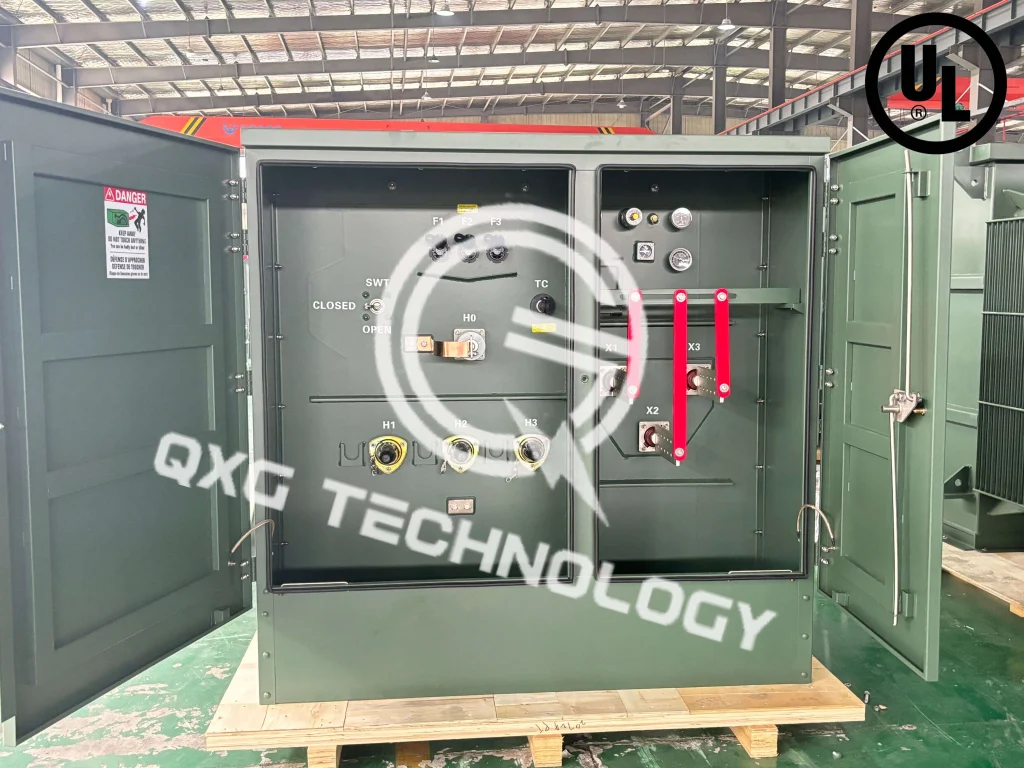
Optimized Manufacturing Process to Minimize Leakage Risk
Improving the manufacturing process is one of the most effective ways to reduce leakage from the source:
Utilize automated welding systems and precision torque control equipment to ensure consistent sealing quality across all connection points.
Implement strict quality control procedures for gasket installation and sealing surface cleanliness.
Conduct a comprehensive 72-hour pressure retention test before the pad-mounted transformer leaves the factory to verify sealing integrity and ensure zero-leakage delivery under simulated operating conditions.
Aging-Resistant Design for Long-Term Reliability
Design choices play a critical role in extending sealing life and reducing leakage caused by aging:
Use weather-resistant steel tanks combined with multiple layers of anti-corrosion coatings to improve resistance to humidity, salt spray, and chemically aggressive environments.
Select high-performance sealing materials such as hydrogenated nitrile rubber (HNBR), which offers significantly improved resistance to transformer oil, heat, and aging — often achieving up to three times longer service life compared to conventional rubber compounds.
Design sealing structures with sufficient compression reserve to compensate for long-term material relaxation.
Intelligent Diagnosis and Predictive Monitoring
Modern diagnostic technologies can help identify leakage risks before they become critical:
Equip transformers with online oil pressure and oil level monitoring devices to provide real-time alerts when abnormal trends are detected.
Combine routine infrared thermal imaging inspections to identify abnormal temperature patterns that may indicate seal degradation or localized leakage paths.
Use historical trend analysis to support predictive maintenance and avoid reactive repairs.
Rapid Response Mechanism for Leakage Events
A standardized and well-trained response system is essential for minimizing the impact of oil leakage incidents:
Establish a three-level leakage classification system (minor seepage, moderate leakage, and severe leakage) with clearly defined handling procedures and escalation criteria.
Prepare dedicated leak repair toolkits that include temporary sealing materials, absorbent pads, containment barriers, and appropriate personal protective equipment (PPE).
Ensure maintenance personnel are trained to perform temporary sealing and oil containment measures safely while waiting for permanent repairs.
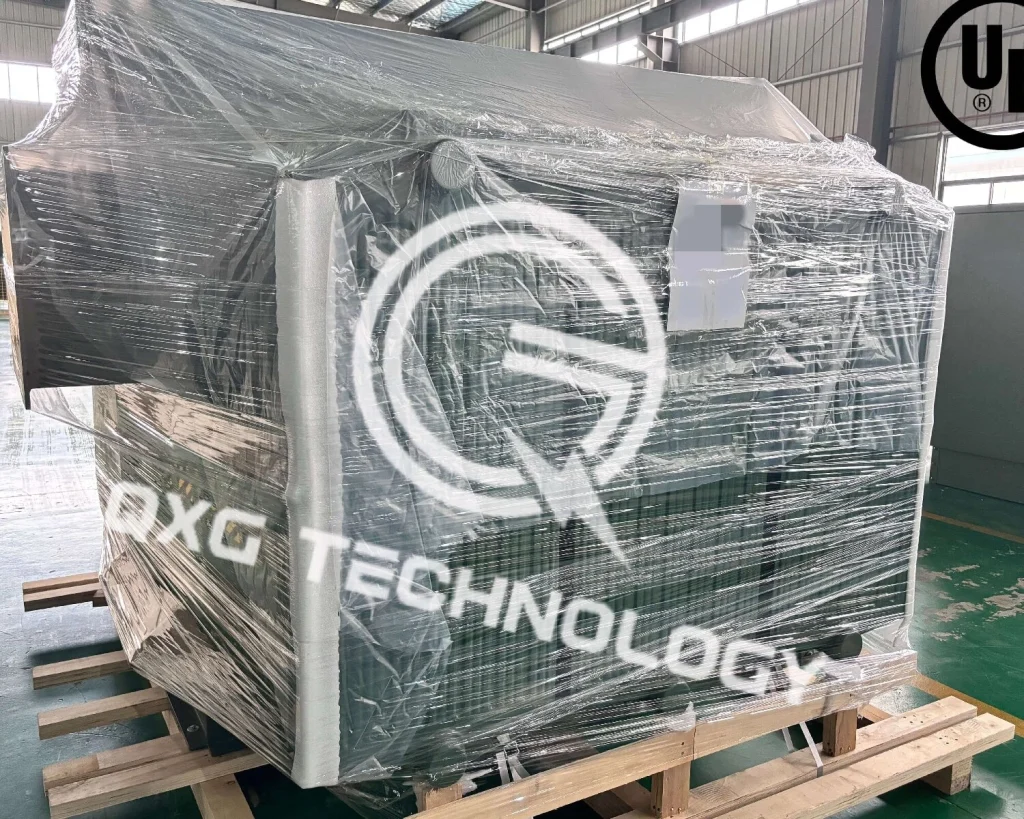
Full-Cycle Management and Preventive Maintenance
Leak prevention should be integrated into the full lifecycle management of transformer equipment:
Provide comprehensive technical documentation covering correct installation practices, torque specifications, and sealing inspection standards.
Implement regular maintenance programs that include gasket condition checks, corrosion inspections, and oil level trend analysis.
For equipment already in service, it is recommended to conduct quarterly specialized inspections focusing on sealing interfaces and high-risk areas to ensure early detection and timely resolution of potential leakage issues.
Conclusion
By systematically analyzing the root causes of transformer oil leaks and implementing targeted improvements in design, manufacturing, monitoring, and maintenance, the overall occurrence rate of leakage incidents can be significantly reduced. Users are advised to develop differentiated maintenance strategies based on operating environments and prioritize transformer products with robust quality control and sealing systems. Proactive inspection and predictive diagnostics remain key to ensuring long-term reliability, safety, and cost-effective transformer operation.