


Large-scale solar photovoltaic (PV) plants require more than solar panels and inverters to deliver electricity to the grid. Transformers are a critical part of the electrical system, converting inverter output to the voltage required for collection and grid interconnection.
Unlike transformers serving relatively predictable loads, a transformer for a solar power plant must operate under changing generation levels, variable weather, high outdoor temperatures, and long periods of unattended operation.
Choosing the right solar transformer is therefore important for plant reliability, electrical efficiency, and long-term operation.
What Is a Solar Power Plant Transformer?
A solar power plant transformer, also called a solar transformer or PV transformer, is used within a photovoltaic generation system to change voltage between different parts of the plant.
After solar panels generate DC electricity, inverters convert it into AC electricity. Transformers then increase the AC voltage so the generated power can be efficiently collected and transmitted toward the grid.
Depending on the electrical architecture, a solar farm may use multiple medium-voltage transformers throughout the PV field as well as larger power transformers at the project substation.
Why Do Solar Power Plants Need Specialized Transformers?
Solar generation creates operating conditions that differ from many conventional industrial applications.
Solar irradiation changes throughout the day. Cloud cover, temperature, weather, and seasonal conditions can cause generation levels to rise and fall. A transformer serving the PV system therefore experiences repeated changes in loading.
At the same time, solar transformers are often installed outdoors in remote areas where they may face heat, cold, dust, rain, humidity, and other environmental conditions.
A transformer for a utility-scale solar plant should consequently be engineered around the actual load profile, voltage requirements, environmental conditions, and grid interconnection specifications.
Key Features of a Transformer for a Solar Power Plant
Reinforced Winding Design
Changing solar generation can produce frequent variations in transformer loading.
A properly engineered winding and insulation system helps the transformer withstand the electrical, thermal, and mechanical stresses expected throughout its service life. Winding design should be coordinated with the required capacity, voltage, impedance, temperature rise, and project operating conditions.
Reliable Cooling System
Outdoor PV projects can experience demanding temperature conditions, especially in regions with strong solar irradiation.
An appropriate cooling system helps control transformer operating temperatures and protect insulation life. Cooling configuration should be selected according to transformer capacity, ambient conditions, loading profile, and project requirements.
Lightning and Surge Protection
Solar farms often cover large open areas, making appropriate surge protection an important part of the electrical design.
Lightning arresters can be integrated into the transformer configuration where required to help protect equipment against overvoltage events. The complete lightning and surge protection strategy should be coordinated with the overall PV plant electrical system.
Pressure Relief Protection
Liquid-filled solar transformers can incorporate pressure relief devices as part of their protection system.
These devices are designed to relieve abnormal internal pressure under specified conditions and form part of a broader transformer protection package.
CT Monitoring
Accurate monitoring is important for large solar power plants, particularly those operating remotely.
Current transformers (CTs) and associated instrumentation can provide current measurements for metering, monitoring, or protection systems, depending on the project design. Additional transformer monitoring accessories can also be specified according to plant requirements.
Vegetable-Based Insulating Fluid for Solar Transformers
For renewable energy projects with environmental or fire-safety considerations, vegetable-based natural ester insulating fluid can be an option.
Natural ester fluids are known for their high fire point and favorable environmental characteristics. They may be considered for solar transformers depending on the installation environment and project requirements.
However, the appropriate insulating fluid should always be selected based on transformer design, operating temperature, applicable standards, fire-safety requirements, and the project’s technical specifications.
Outdoor Protection and Anti-Corrosion Coating
Most solar farm transformers spend their entire operating life outdoors.
The enclosure, tank, coating, seals, bushings, gauges, and accessories must therefore be selected for the site’s environmental conditions.
An industrial ANSI-compatible coating system can be specified to provide corrosion protection, while suitable enclosure and component designs help the transformer withstand dust, rain, temperature variations, and other outdoor conditions.
For especially demanding environments—such as coastal, desert, high-humidity, or high-altitude solar projects—the transformer manufacturer should evaluate additional protection requirements during engineering.
Solar Transformer Efficiency Matters
Transformer losses can affect the overall performance of a solar power station.
Because utility-scale solar projects are designed to generate electricity over many years, transformer efficiency should be considered alongside initial equipment cost.
Core losses, winding losses, transformer loading, conductor material, operating temperature, and electrical design can all influence performance.
Rather than selecting a transformer based only on the lowest purchase price, solar developers and EPC contractors should consider lifecycle performance, reliability, maintenance requirements, and total cost of ownership.
How to Choose a Transformer for a Solar Power Plant
When sourcing a solar transformer, buyers should provide the manufacturer with detailed electrical and environmental requirements.
Important specifications generally include rated capacity, primary and secondary voltage, frequency, phase, impedance, winding material, cooling method, insulating fluid, temperature rise, installation altitude, ambient temperature, accessories, protection requirements, and applicable standards.
The manufacturer may also need the project’s single-line diagram, inverter information, expected loading profile, and grid interconnection requirements.
For large utility-scale projects, discussing these specifications early can help avoid equipment compatibility problems later in the EPC process.
What Standards Should Solar Transformers Meet?
Standards depend on the country, utility, transformer type, voltage class, and individual project requirements.
For North American solar projects, transformer specifications may reference relevant IEEE, ANSI, UL, utility, and local electrical requirements.
Buyers should verify exactly which standards apply to their project rather than assuming that one certification or standard covers every solar transformer application.
Complete engineering drawings, technical data, test reports, and other required documentation should also be reviewed before shipment and commissioning.
Applications of Solar Transformers
Solar transformers can be designed for different renewable energy projects, including utility-scale solar farms, commercial solar power plants, distributed PV projects, solar-plus-storage facilities, and renewable energy substations.
Each application can have different voltage, capacity, protection, environmental, and grid connection requirements. Custom transformer engineering is therefore especially valuable for large solar projects.
Solar Power Plant Transformer Solutions from QXG TECHNOLOGY
QXG TECHNOLOGY provides customized transformer solutions for solar power plants and photovoltaic energy projects, with designs optimized for outdoor operation and changing solar generation conditions.
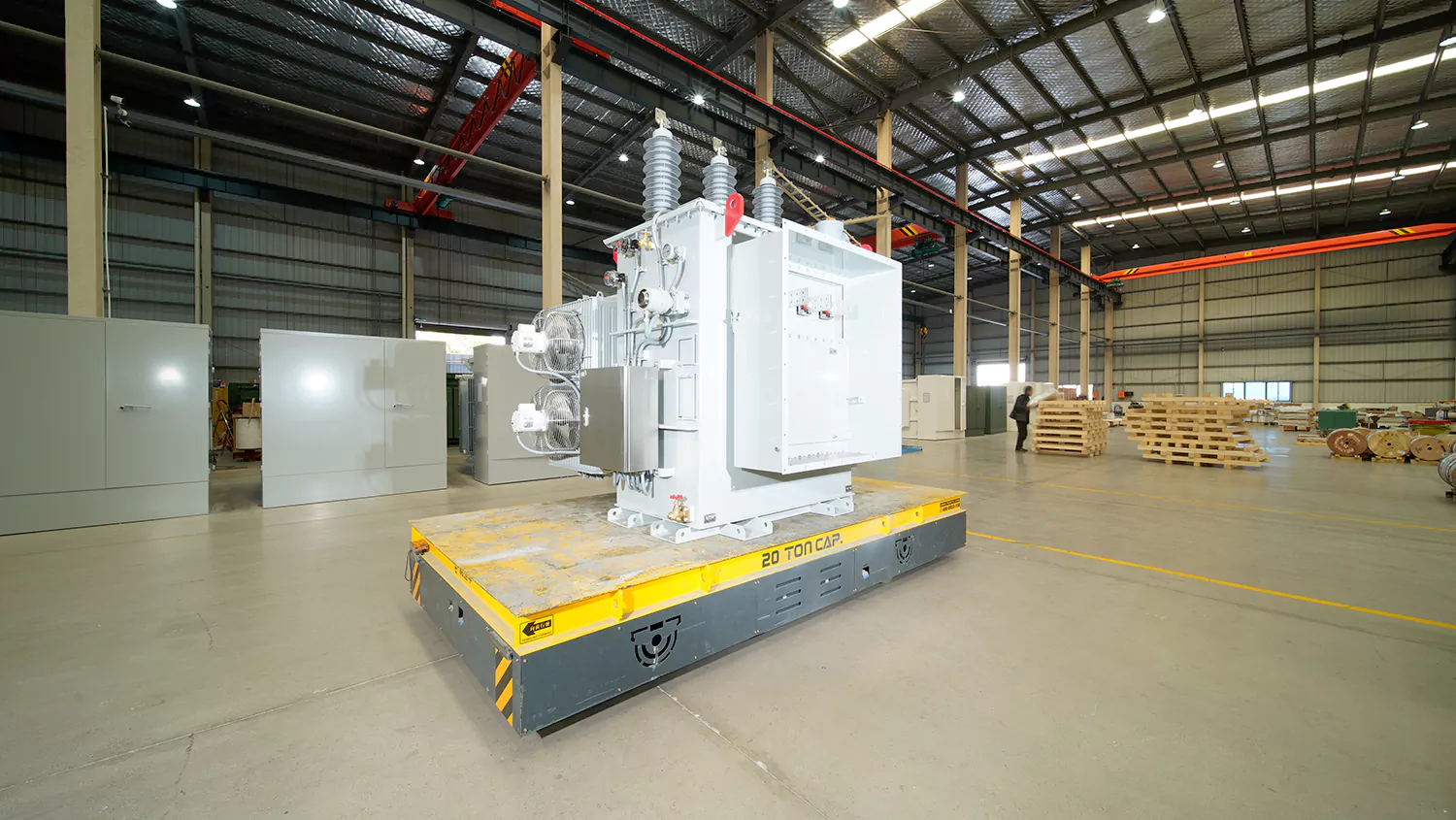
Available configurations can include reinforced winding designs, reliable cooling systems, lightning arresters, pressure relief protection, CT monitoring, vegetable-based insulating fluid, industrial anti-corrosion coatings, and other project-specific accessories. Transformer voltage, capacity, impedance, winding material, cooling method, protection, and monitoring configurations can also be customized according to project requirements.
Strict factory testing and quality control help ensure that each transformer meets the specified electrical and mechanical requirements before delivery.
For solar developers, EPC contractors, electrical engineers, and renewable energy equipment integrators looking for a transformer for a solar power plant, QXG TECHNOLOGY can evaluate your single-line diagram and technical specifications to develop a suitable transformer solution. For project inquiries or quotations, contact info@gxgelec.com.