


A new pad mounted transformer typically costs between $5,000 and $50,000+, depending on its capacity, voltage rating, design specifications, manufacturer, and installation requirements. Smaller residential pad mounted transformers are usually at the lower end of the price range, while large commercial and utility-grade units can cost significantly more.
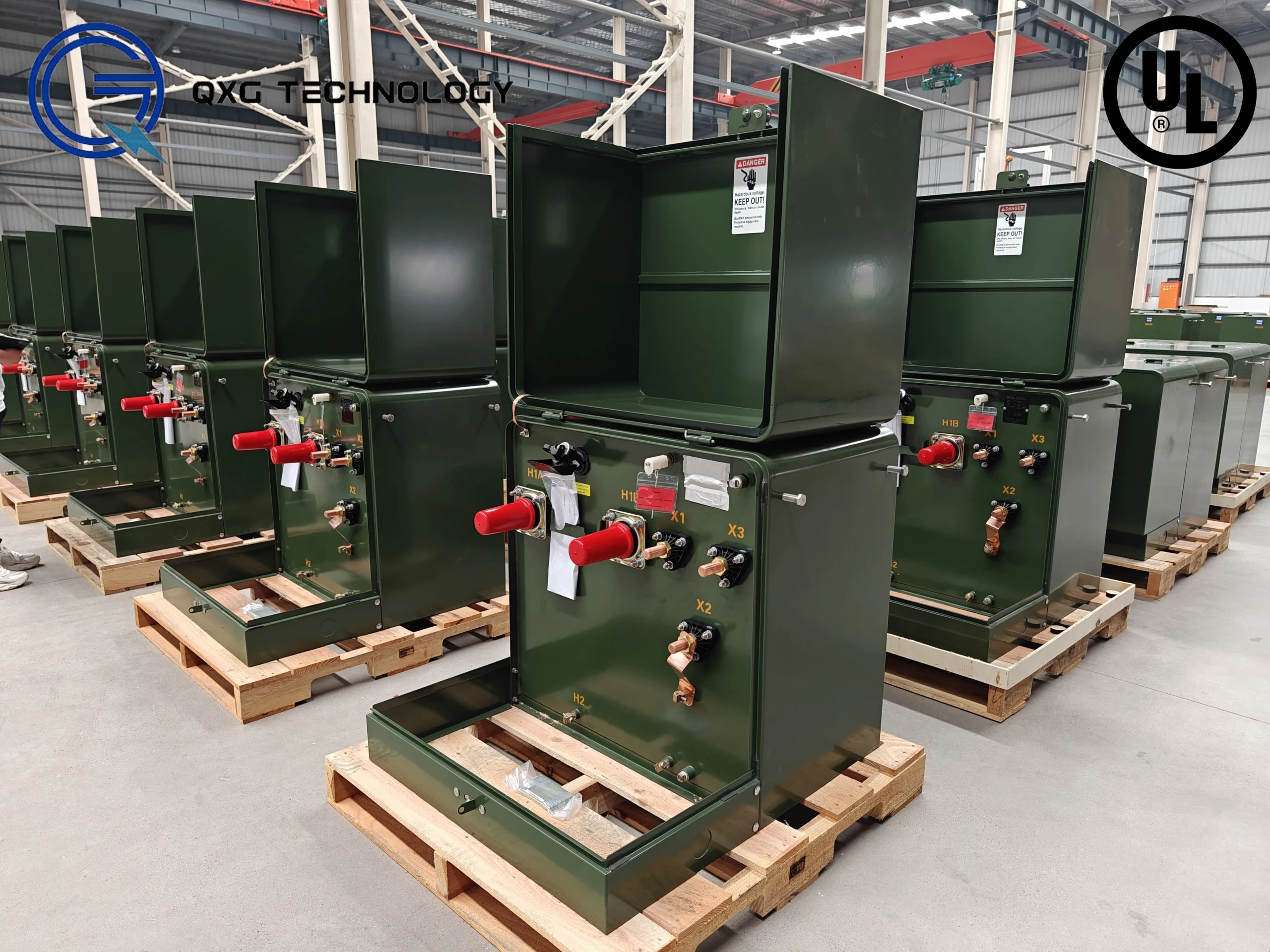
Pad mounted transformers are widely used in residential communities, commercial buildings, industrial facilities, and utility distribution networks. They convert medium-voltage electricity from underground distribution lines into lower-voltage power suitable for homes and businesses. Because each project has different electrical requirements, the final price is usually based on a customized quotation rather than a fixed list price.
The cost of a pad mounted transformer depends mainly on the kVA rating, which represents the transformer’s power capacity. Below are typical price ranges for new units:
| Transformer Size | Typical Application | Estimated Transformer Cost |
|---|---|---|
| 25–50 kVA | Single homes, small residential loads | $5,000–$8,000 |
| 75–150 kVA | Residential developments, larger homes | $8,000–$15,000 |
| 150–300 kVA | Multi-home projects, small commercial buildings | $12,000–$25,000 |
| 500 kVA | Commercial facilities, large developments | $25,000–$50,000+ |
| 750–1000 kVA | Industrial and large commercial applications | $50,000–$80,000+ |
Actual pricing can vary depending on transformer design, efficiency requirements, accessories, and market conditions.
The most important cost factor is the transformer’s power rating. A higher kVA rating requires:
For example, a 50 kVA residential transformer will cost significantly less than a 1000 kVA commercial transformer because of the additional materials and manufacturing requirements.
Residential applications commonly use single-phase pad mounted transformers, while commercial and industrial projects often require three-phase transformers.
Single-phase units generally have lower purchase costs and are suitable for:
Three-phase pad mounted transformers are designed for:
Three-phase units typically cost more because they handle higher power loads and require more complex construction.
The primary and secondary voltage configuration also affects pricing.
Common specifications include:
Higher voltage ratings require additional insulation and testing, increasing manufacturing costs.
Energy efficiency requirements can influence the purchase price. Transformers designed to meet standards such as DOE efficiency requirements, IEEE standards, or utility specifications may have higher upfront costs but can reduce long-term energy losses.
Buyers should consider both:
A more efficient transformer can provide savings over decades of operation.
Optional features can increase the price, including:
Customized transformers often require additional engineering and longer production times.
The transformer itself is only part of the total project cost. Installation expenses may include:
For many projects, installation and related site work can add thousands of dollars to the overall budget. Some estimates suggest installation-related costs may add 30–50% or more depending on site conditions.
For a typical residential subdivision:
The transformer purchase price may fall around $8,000–$15,000, while complete installation costs will depend on excavation, wiring distance, utility requirements, and local labor rates.
To control costs without sacrificing reliability:
Avoid purchasing an oversized transformer unless future expansion requires it. Proper load calculations can prevent unnecessary expenses.
Working directly with an experienced transformer manufacturer can reduce distributor markups and provide more customization options.
Request quotations from several qualified suppliers and compare:
The cheapest transformer is not always the most economical choice. Efficiency, reliability, maintenance requirements, and service life should also be considered.
The cost of a new pad mounted transformer generally ranges from several thousand dollars for small residential units to tens of thousands of dollars for larger commercial and utility applications. The final price depends on capacity, voltage requirements, transformer type, efficiency standards, and customization options.
For accurate pricing, technical specifications, and customized pad mounted transformer solutions, contact QXG TECHNOLOGY at info@qxgelec.com. Their team can provide professional guidance and transformer solutions for residential, commercial, and industrial power distribution projects.