


Choosing a reliable transformer manufacturer is essential for ensuring product quality, safety, and long-term performance. Certifications are important indicators that a transformer supplier follows international standards, maintains strict quality control, and can provide reliable products for different applications.
For industrial, commercial, and utility projects, customers should check whether a transformer manufacturer has the necessary certifications related to product standards, safety, quality management, and environmental requirements.
Transformer certifications help customers evaluate a manufacturer’s capabilities and product reliability.
A certified transformer manufacturer can provide:
| Benefit | Description |
|---|---|
| Product Quality Assurance | Ensures transformers are designed and manufactured according to recognized standards |
| Safety Compliance | Confirms that products meet electrical safety requirements |
| Reliable Performance | Reduces risks of overheating, failures, and unexpected downtime |
| Market Access | Helps products meet import and project requirements in different countries |
| Quality Management | Demonstrates consistent production and inspection processes |

ISO 9001 is one of the most common certifications for transformer manufacturers.
It focuses on:
A manufacturer with ISO 9001 certification usually has established procedures for:
For transformer buyers, ISO 9001 is an important indicator of a manufacturer’s quality management capability.
The International Electrotechnical Commission (IEC) develops widely recognized standards for electrical equipment.
Common transformer-related IEC standards include:
| Standard | Application |
|---|---|
| IEC 60076 | Power transformers |
| IEC 60076-11 | Dry type transformers |
| IEC 60076-1 | General requirements for power transformers |
Compliance with IEC standards ensures that transformers meet requirements for:
IEC compliance is especially important for international projects.
In North American markets, many transformer projects refer to IEEE standards.
IEEE standards cover:
For projects in the United States and Canada, choosing a manufacturer familiar with IEEE standards can help ensure compatibility with local requirements.
ANSI (American National Standards Institute) standards are commonly used in North American electrical systems.
ANSI standards help define requirements for:
UL certification is widely recognized in the United States for electrical safety.
UL-certified transformers are evaluated for:
For transformers supplied to European markets, CE marking indicates compliance with applicable European safety, health, and environmental requirements.
CE requirements may involve:
It helps ensure that products can enter European markets and meet regulatory requirements.
Modern projects increasingly focus on energy efficiency and sustainability.
Relevant certifications and requirements may include:
| Certification / Requirement | Purpose |
|---|---|
| ISO 14001 | Environmental management system |
| Energy Efficiency Standards | Reduces transformer energy losses |
| RoHS Compliance | Controls hazardous substances in electrical products |
Energy-efficient transformers can help reduce operating costs and support sustainability goals.
In addition to certifications, transformer buyers should check whether manufacturers provide complete testing documentation.
Common transformer tests include:
| Test Type | Purpose |
|---|---|
| Routine Tests | Verify transformer performance before shipment |
| Insulation Tests | Check insulation reliability |
| Voltage Tests | Confirm electrical strength |
| Load Loss Tests | Measure operating losses |
| Temperature Rise Tests | Verify cooling performance |
| Factory Acceptance Tests (FAT) | Confirm product quality according to project requirements |
A professional transformer manufacturer should provide test reports and technical documents before delivery.
When evaluating a transformer supplier, consider:
✓ ISO 9001 quality management certification
✓ Compliance with IEC, IEEE, or ANSI standards
✓ Required certifications for your target market
✓ Complete factory testing procedures
✓ Experienced engineering team
✓ Strong quality control system
✓ Ability to provide customized transformer solutions
Certifications are important, but they should be combined with manufacturing experience, technical capability, and proven project performance.
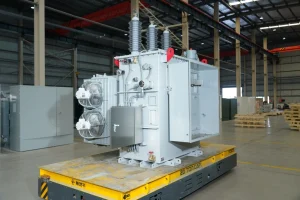
Certifications are an important factor when selecting a transformer manufacturer. They demonstrate a company’s commitment to quality, safety, international standards, and reliable performance.
Before purchasing a transformer, customers should confirm that the manufacturer can provide the certifications and testing documents required for their specific project.
QXG TECHNOLOGY is committed to providing reliable transformer solutions for global customers, including Dry Type Transformers, Oil Immersed Transformers, Pad Mounted Transformers, Pole Mounted Transformers, and Substation Transformers. Our professional team can help customers select the right transformer according to application requirements and project standards. For more information or technical support, please contact us at info@gxgelec.com.