


Medium voltage (MV) power transformers are critical components in industrial, commercial, utility, and renewable energy electrical systems. Before purchasing or designing a transformer system, engineers need accurate specifications to ensure the equipment meets voltage requirements, load capacity, efficiency targets, and safety standards.
Specifications for medium voltage power transformers can typically be found through transformer manufacturers, technical datasheets, industry standards organizations, and engineering documentation. Understanding where to find reliable information helps businesses make better equipment decisions and avoid costly installation problems.
What Specifications Should You Look for in a Medium Voltage Power Transformer?
A medium voltage transformer specification sheet usually includes the following key information:
Rated Power Capacity (kVA/MVA)
The transformer capacity indicates how much electrical load it can handle. Common industrial MV transformer ratings range from several hundred kVA to tens of MVA depending on the application.
Primary and Secondary Voltage Ratings
Voltage specifications define the transformer’s input and output levels.
Typical information includes:
- Primary voltage (for example, 4.16 kV, 13.8 kV, 15 kV, 34.5 kV)
- Secondary voltage
- Voltage class
- Voltage ratio
Medium voltage transformer products commonly cover primary voltage classes from approximately 2.4 kV to 46 kV depending on design and application.
Transformer Type
Specifications should identify whether the transformer is:
- Oil-immersed
- Dry-type
- Cast resin
- Vacuum pressure impregnated (VPI)
- Pad-mounted
- Unit substation transformer
Dry-type MV transformers are often selected for indoor applications because they eliminate liquid insulation and can provide improved fire safety characteristics.
Cooling Method
Cooling information affects transformer performance and operating conditions.
Common cooling classifications include:
- ONAN (Oil Natural Air Natural)
- ONAF (Oil Natural Air Forced)
- AN (Air Natural)
- AF (Air Forced)
Efficiency and Loss Data
Transformer datasheets usually provide:
- No-load losses
- Load losses
- Total losses
- Efficiency percentage
Energy-efficient transformer designs can significantly reduce long-term operating costs in industrial facilities.
Insulation Level and BIL Rating
Basic Impulse Level (BIL) indicates the transformer’s ability to withstand voltage surges caused by lightning or switching events.
Standards and Certifications
Reliable medium voltage transformer specifications should reference applicable standards, such as:
- IEEE C57 series
- ANSI standards
- IEC 60076
- CSA standards
- NEMA requirements
Many MV transformer manufacturers design and test equipment according to ANSI, IEEE, NEMA, and CSA requirements.

1. Manufacturer Datasheets
The most accurate source of transformer specifications is the manufacturer’s official product documentation.
Manufacturers typically provide:
- Product catalogs
- Technical datasheets
- Installation manuals
- Specification guides
- CAD drawings
- Testing reports
For example, transformer suppliers often publish detailed ratings, voltage ranges, insulation systems, and compliance information for each product series.
2. Transformer Manufacturer Websites
Leading transformer manufacturers provide online resources where engineers can compare models and download technical documents.
When reviewing manufacturer websites, look for:
- Medium voltage transformer catalogs
- Product specification sheets
- Application guides
- Technical support documents
3. Electrical Engineering Standards Organizations
Industry standards provide official design and testing requirements.
Important references include:
IEEE Standards
IEEE C57 standards cover many transformer design, testing, and performance requirements in North America.
IEC Standards
IEC 60076 is widely used internationally for power transformer specifications and testing.
CSA Standards
CSA standards are commonly referenced for transformer applications in Canada and some North American projects.
4. Engineering Design Specifications
For industrial projects, transformer requirements are often included in electrical engineering documents, including:
- Project specifications
- Single-line diagrams
- Load studies
- Substation design documents
- Equipment schedules
These documents define the required transformer size, voltage ratio, protection requirements, and installation conditions.
5. Transformer Suppliers and Technical Sales Teams
If a standard datasheet does not provide enough information, transformer manufacturers can provide customized specifications based on project requirements.
Technical teams can help determine:
- Suitable transformer capacity
- Cooling method
- Indoor or outdoor design
- Short-circuit withstand requirements
- Special applications such as motors, harmonics, or renewable energy systems
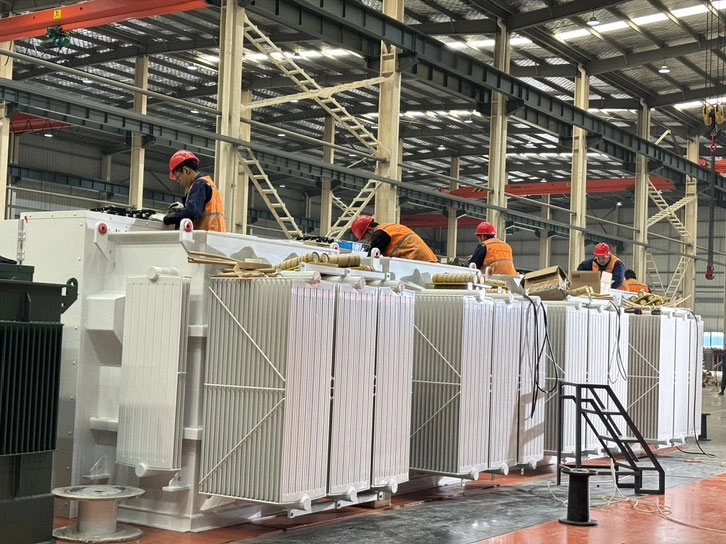
How to Read a Medium Voltage Transformer Specification Sheet
A typical specification sheet may include:
| Parameter | Example Information |
|---|---|
| Rated Capacity | 1000 kVA |
| Primary Voltage | 13.8 kV |
| Secondary Voltage | 480 V |
| Frequency | 50/60 Hz |
| Phase | Three-phase |
| Cooling Type | ONAN / AN |
| Insulation Class | Medium voltage rated |
| BIL | Specified according to voltage class |
| Impedance | Percentage impedance value |
| Standards | IEEE / IEC / CSA |
Always verify that the transformer specifications match the electrical system design before ordering.
Tips for Selecting the Right Medium Voltage Transformer
Before choosing a transformer, consider:
- Required load capacity
- Future expansion needs
- Installation environment
- Indoor or outdoor location
- Maintenance requirements
- Energy efficiency targets
- Local electrical standards
A properly specified transformer improves reliability, reduces downtime, and extends equipment service life.
Conclusion
Specifications for medium voltage power transformers can be found through manufacturer datasheets, engineering documents, and recognized electrical standards. The most important specifications include power rating, voltage ratio, cooling method, insulation level, efficiency, and compliance standards.
Working with an experienced transformer manufacturer can simplify the selection process and ensure the transformer meets your project requirements. For medium voltage transformer solutions, technical specifications, and customized designs, contact QXG TECHNOLOGY at info@qxgelec.com for professional assistance.