


Against the backdrop of the global transition to sustainable energy, pad-mounted transformers are becoming indispensable critical equipment in renewable energy power systems. Specifically designed for distributed energy applications, pad-mounted transformers efficiently and safely enable voltage conversion and electrical isolation between green power from solar, wind, and other renewable sources and the power grid, ensuring that intermittent and variable renewable energy is converted into stable, reliable grid-tied power.
Whether in rooftop PV arrays, commercial and industrial microgrids, carport PV systems, or distributed energy storage projects, pad-mounted transformers demonstrate exceptional adaptability. From urban industrial parks and factory rooftops to remote area PV power stations, pad-mounted transformers deliver safe and reliable performance to meet diverse renewable energy grid integration needs.
With their compact design and strong adaptability to complex outdoor environments, pad-mounted transformers are helping energy developers, commercial and industrial users, and municipalities achieve efficient access and optimized utilization of green energy.
Key Advantages of Pad-Mounted Transformers in Renewable Energy Systems
Voltage Conversion and Electrical Isolation
The core function of pad-mounted transformers is to match voltages between the generation side and the grid side. During power generation, they step up low voltage from PV or wind turbine systems to medium or high voltage levels suitable for grid connection. When needed, they can also step down grid voltage for local use. Additionally, the transformer provides critical electrical isolation, effectively protecting inverters, generation equipment, and grid infrastructure.
Enhanced Safety
Safety is a core advantage of pad-mounted transformers. Featuring a “dead front” fully insulated design, all high-voltage live parts are encapsulated in insulated elbow connectors with no exposed conductors, effectively preventing accidental contact. Tamper-resistant enclosures and rugged construction make them an ideal choice for areas accessible to personnel, fully ensuring the safety of operators and nearby equipment.
Compact Design, Space Saving
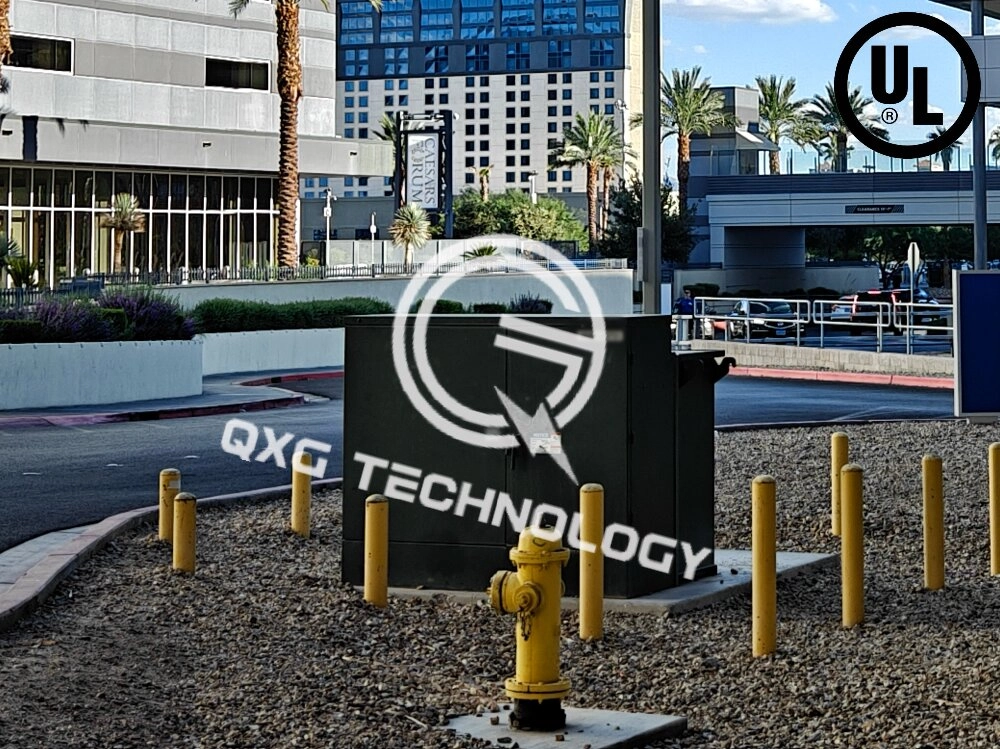
Pad-mounted transformers feature a low-profile, compact design with a significantly smaller footprint than traditional substation solutions. Their integrated construction consolidates high-voltage switchgear, transformer core, and low-voltage compartments within a sealed oil tank, making them especially suitable for space-constrained locations such as rooftops, carports, or industrial park corners, helping users achieve efficient power equipment deployment within limited spaces.
Outdoor Suitability, Rugged and Reliable
Pad-mounted transformers are equipped with sealed protective enclosures that effectively resist rain, dust, salt spray, and extreme temperatures. Whether in humid coastal PV power stations or inland wind farms plagued by sand and dust, they ensure long-term, stable operation. This high reliability reduces the risk of power interruptions caused by environmental factors, improving overall system availability.
Low Maintenance, High Return
The sealed design prevents contaminant ingress, reducing the frequency of regular maintenance. For distributed projects with multiple sites, this translates into lower operating costs and higher return on investment. Over the long term, maintenance cost savings directly contribute to improved project returns.
Applications
Key application scenarios for pad-mounted transformers in the renewable energy sector include: rooftop solar PV, stepping up low voltage power from PV arrays for grid connection after inversion; carport PV arrays, where the compact design fits limited carport space while providing an aesthetically pleasing appearance; commercial and industrial microgrids, enabling flexible distributed energy dispatch and on/off-grid switching within industrial parks; distributed energy storage systems, supporting peak-valley arbitrage and emergency backup power in coordination with battery storage; and small-scale wind power projects, providing reliable step-up grid connection solutions for distributed wind power generation.
Summary
With their core functions of voltage conversion and electrical isolation, space-saving compact design, and strong adaptability to complex outdoor environments and stringent safety requirements, pad-mounted transformers have become indispensable equipment in renewable energy grid integration systems. Whether for rooftop PV, carport arrays, commercial and industrial microgrids, or distributed energy storage, choosing pad-mounted transformers means achieving superior space utilization and higher investment returns while ensuring safe and stable system operation.
QXG offers a full range of pad-mounted transformers, specially optimized for renewable energy applications with customizable configurations. Contact us today for more information or a tailored solution.
FAQ
1. What is the main role of a pad-mounted transformer in renewable energy systems?
Pad-mounted transformers are primarily used to convert voltage levels and provide electrical isolation. They step up low voltage generated by solar panels or wind turbines to grid-compatible levels, ensuring safe and stable power transmission.
2. Why are pad-mounted transformers suitable for solar and wind applications?
They are specifically designed for distributed energy environments, offering compact size, high safety, and strong adaptability to outdoor conditions. This makes them ideal for installations such as rooftop solar, carport systems, and remote wind farms.
3. How do pad-mounted transformers improve safety?
They feature a “dead front” design, meaning all live components are fully enclosed and insulated. This prevents accidental contact and enhances safety for both operators and the surrounding environment.
4. Can pad-mounted transformers be used in space-limited installations?
Yes, their compact and integrated design makes them perfect for locations with limited space, such as rooftops, parking structures, and industrial parks, without compromising performance.
5. Do pad-mounted transformers require frequent maintenance?
No, their sealed construction protects internal components from dust, moisture, and contaminants, significantly reducing maintenance needs and lowering long-term operating costs.