


Transformers are essential components in electrical distribution systems, reducing high-voltage electricity from utility networks to a lower voltage level suitable for commercial, industrial, and residential use.
Two of the most common distribution transformers used in power networks are pad mounted transformers and pole mounted transformers. While both perform the same basic function — stepping down voltage for safe electricity distribution — they have significant differences in design, installation method, safety, maintenance, and application.
Choosing between a pad mounted transformer vs pole mounted transformer depends on factors such as available space, load requirements, environmental conditions, and project design.
This article explains the key differences between pad mounted transformers and pole mounted transformers to help engineers, contractors, and utility companies select the right solution.
What Is a Pad Mounted Transformer?
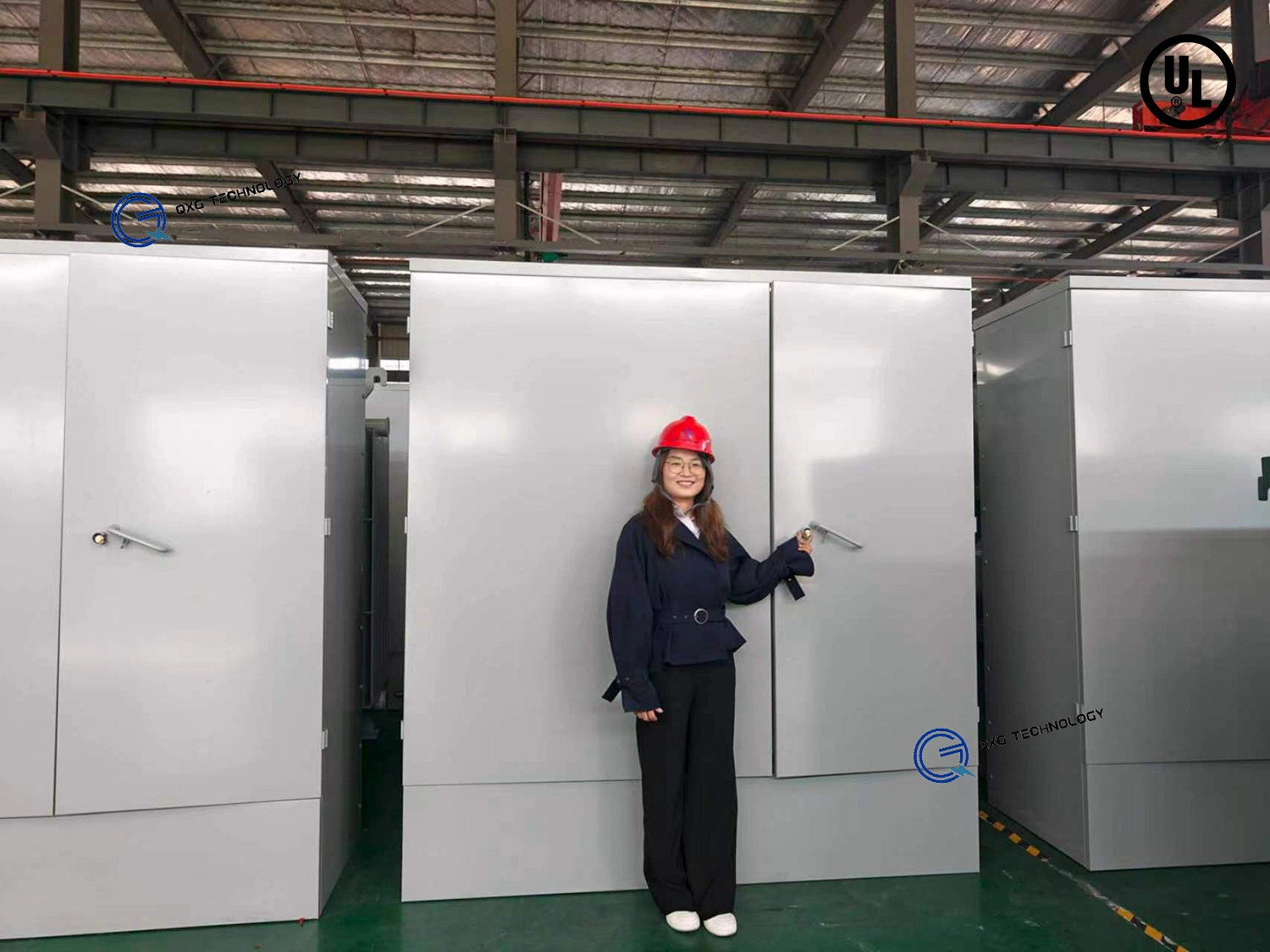
A pad mounted transformer is a ground-level transformer installed on a concrete pad. It is commonly used in underground electrical distribution systems where power cables are placed below ground.
The transformer is enclosed in a secure metal cabinet, protecting internal components from weather, unauthorized access, and environmental conditions.
Pad mounted transformers are widely used for:
- Residential communities
- Commercial buildings
- Industrial facilities
- Shopping centers
- Renewable energy projects
- Underground utility networks
They are available in different configurations, including single-phase pad mounted transformers and three-phase pad mounted transformers, depending on power requirements.
What Is a Pole Mounted Transformer?
A pole mounted transformer is a transformer installed above ground on utility poles. It is mainly used in overhead distribution systems where electrical lines are supported by poles.
These transformers are commonly seen in rural areas, residential streets, and locations where overhead power distribution is more practical.
Pole mounted transformers are typically installed on:
- Wooden poles
- Concrete poles
- Steel poles
They are designed to withstand outdoor conditions while providing reliable voltage transformation for electrical consumers.

Pad Mounted Transformer vs Pole Mounted Transformer: Quick Comparison
| Comparison | Pad Mounted Transformer | Pole Mounted Transformer |
|---|---|---|
| Installation Method | Installed on a concrete pad at ground level | Mounted on utility poles |
| Distribution System | Underground power distribution | Overhead power distribution |
| Installation Space | Requires ground space | Requires suitable poles |
| Safety | Higher protection with locked enclosure | Installed at elevated height |
| Appearance | More visually appealing in urban areas | More visible overhead equipment |
| Maintenance | Easier ground-level access | Requires lifting equipment and safety procedures |
| Cost | Higher installation cost | Lower installation cost |
| Common Applications | Cities, commercial areas, industrial projects | Rural areas, residential lines, remote locations |
Key Differences Between Pad Mounted and Pole Mounted Transformers
1. Installation Location and Design
The biggest difference between these two transformers is the installation method.
Pad Mounted Transformer
A pad mounted transformer sits on a concrete foundation and connects to underground cables. Its enclosed design makes it suitable for locations where appearance and safety are important.
Advantages:
- Clean and organized installation
- Better protection from accidental contact
- Suitable for underground electrical systems
- Ideal for urban environments
Pole Mounted Transformer
A pole mounted transformer is attached to a utility pole and connected to overhead power lines.
Advantages:
- Requires less ground space
- Easier installation in remote locations
- Suitable for overhead distribution networks
2. Safety and Protection
Safety is an important consideration when selecting a distribution transformer.
Pad Mounted Transformer Safety
Pad mounted transformers usually feature:
- Lockable cabinets
- Tamper-resistant designs
- Protected high-voltage compartments
- Reduced risk of public contact
Because they are installed at ground level, they must meet strict safety requirements to prevent unauthorized access.
Pole Mounted Transformer Safety
Pole mounted transformers are installed several meters above the ground, naturally reducing public access.
However, maintenance requires:
- Specialized equipment
- Qualified technicians
- Proper safety procedures
3. Applications and Suitable Locations
Applications of Pad Mounted Transformers
Pad mounted transformers are commonly used in:
Residential Developments
Modern housing communities often use underground power systems to improve aesthetics and reliability.
Commercial Buildings
Shopping malls, office parks, and business centers commonly choose pad mounted transformers because they provide reliable power while maintaining a clean appearance.
Industrial Facilities
Factories and processing plants often require larger three-phase pad mounted transformers for heavy electrical loads.
Renewable Energy Projects
Solar farms and wind energy systems frequently use pad mounted transformers to connect generated power to distribution networks.
Applications of Pole Mounted Transformers
Pole mounted transformers are widely used for:
Rural Power Distribution
Remote areas often rely on overhead lines because they are more economical to install.
Residential Utility Networks
Many traditional residential neighborhoods use pole mounted transformers to supply electricity to homes.
Agricultural Facilities
Farms and agricultural buildings often use pole mounted transformers due to their simple installation and cost advantages.
4. Installation Cost and Maintenance
Pad Mounted Transformer Cost
Pad mounted transformers generally have higher installation costs because they require:
- Concrete foundations
- Underground cable systems
- Additional civil construction work
However, they provide long-term benefits in urban environments where reliability and appearance are important.
Pole Mounted Transformer Cost
Pole mounted transformers usually have lower initial costs because they require:
- Existing poles or pole structures
- Overhead wiring systems
- Less underground construction
They are often preferred for projects where budget and installation simplicity are priorities.
5. Environmental and Aesthetic Considerations
Modern electrical projects increasingly consider visual impact.
Pad Mounted Transformer
Benefits:
- Blends better with urban landscapes
- Reduces overhead visual clutter
- Supports underground distribution designs
This makes pad mounted transformers popular in:
- Residential communities
- Downtown areas
- Commercial developments
Pole Mounted Transformer
Benefits:
- Minimal land requirements
- Practical for open areas
However, overhead transformers and cables may have greater visual impact.

Pad Mounted Transformer vs Pole Mounted Transformer: Which Is Better?
There is no universal answer because both transformer types serve different purposes.
A pad mounted transformer is usually the better choice for modern urban developments, commercial projects, and underground distribution systems because of its safety, appearance, and reliability.
A pole mounted transformer remains an excellent option for rural distribution networks and areas where overhead power systems are already established due to its lower installation cost and simple deployment.
The best transformer solution depends on:
- Electrical load requirements
- Distribution system design
- Installation environment
- Budget
- Safety standards
Conclusion
Both pad mounted transformers and pole mounted transformers play an important role in electrical power distribution.
Pad mounted transformers provide a safe, attractive, and reliable solution for underground distribution networks, while pole mounted transformers offer a cost-effective option for overhead electrical systems.
Understanding the differences between these two transformer types helps utilities, engineers, and project developers select the most suitable transformer for their specific applications.
For reliable transformer solutions, QXG TECHNOLOGY provides high-quality distribution transformers designed for residential, commercial, industrial, and utility applications.
QXG TECHNOLOGY
Email: info@qxgelec.com