


Selecting a transformer for a residential community, apartment complex, small retail plaza, or light commercial building is not a simple matter of matching voltage and kVA. In many projects, the transformer becomes the quiet backbone of the entire power distribution system. If it is undersized, poorly specified, or incompatible with the site environment, the result can be voltage instability, overheating, premature failure, or costly rework after installation.
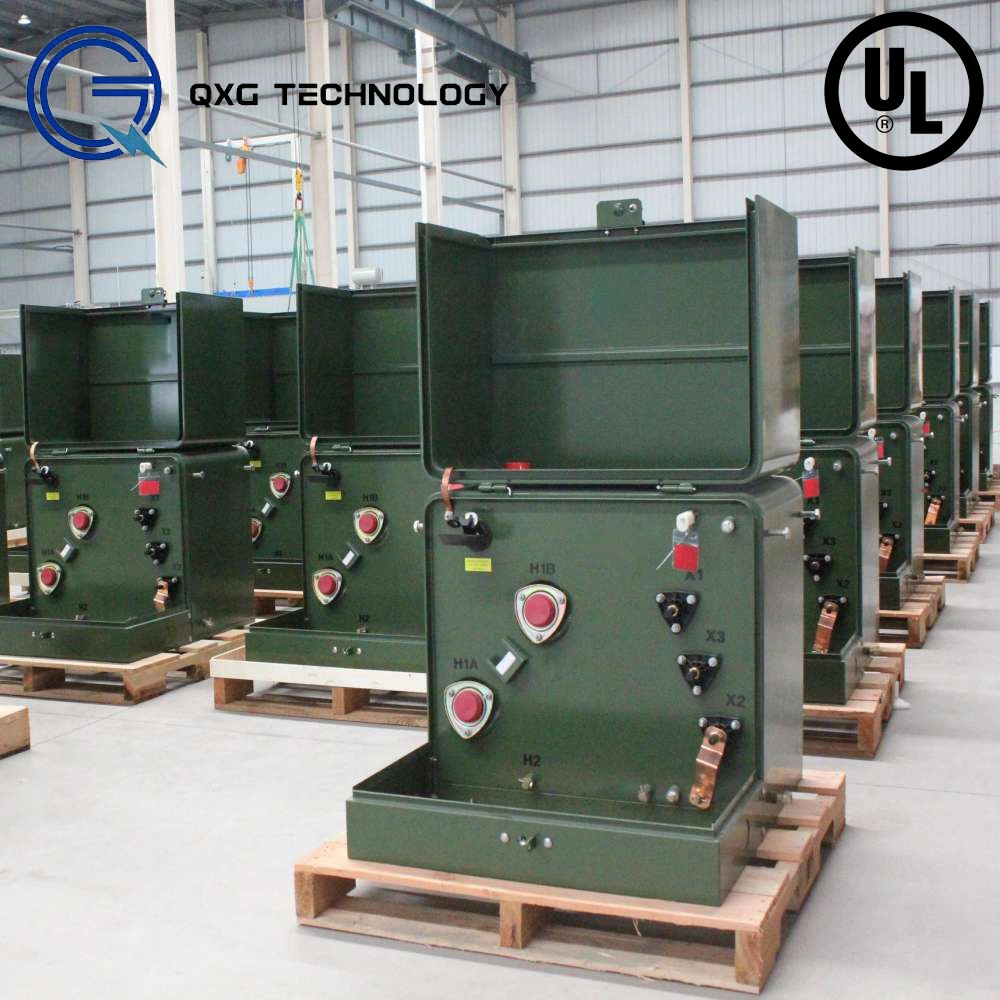
A single phase pad mount transformer is widely used in underground distribution systems where safety, aesthetics, and reliability are important. These transformers are mounted on a concrete pad at ground level, enclosed in a tamper-resistant steel cabinet, and typically serve homes, small commercial buildings, street lighting systems, and community facilities.
Choosing the correct model requires understanding load characteristics, installation conditions, protection requirements, and long-term operating expectations. This article walks through the key technical and practical factors that engineers, contractors, and project owners should evaluate before finalizing their selection.
Understanding the Role of a Single Phase Pad Mount Transformer
Unlike pole-mounted transformers, pad mount units are designed for underground cable systems and public-access environments. They are commonly installed in:
Residential subdivisions
Gated communities
Schools and hospitals
Retail shops and small offices
Street lighting and landscape power systems
Their enclosed design improves safety and visual appearance while reducing exposure to weather and vandalism. However, this enclosed structure also makes thermal performance, ventilation, and insulation quality even more important.
Step One: Accurately Calculate the Load Demand
The most common mistake in transformer selection is underestimating or oversizing the load.
You should evaluate:
Total connected load (kW)
Demand factor
Diversity factor
Future expansion requirements
Type of loads (resistive, inductive, motor loads, HVAC, lighting, EV chargers)
Residential loads are often highly variable throughout the day, while light commercial loads may run for longer hours with higher consistency. If the transformer feeds air conditioners, pumps, refrigeration, or elevator motors, starting currents must be considered.
A transformer that constantly operates above 80% of its rated capacity will experience higher temperature rise and shorter service life. A good practice is to size the transformer so that normal operating load stays between 50% and 70% of rated capacity.

Step Two: Confirm Primary and Secondary Voltage Requirements
Pad mount transformers are custom-built according to voltage requirements. Before ordering, confirm:
Primary voltage from the utility (e.g., 7.2kV, 12.47kV, 13.8kV, 24.9kV)
Secondary voltage required by the building (e.g., 120/240V, 240/480V)
Frequency (50Hz or 60Hz)
Mismatch in voltage configuration can lead to expensive field modifications. Always verify with the local utility company and the electrical design drawings.
Step Three: Evaluate the Installation Environment
Environmental conditions directly affect transformer performance.
Consider:
Ambient temperature (especially in hot climates)
Exposure to direct sunlight
Flood-prone or high-humidity areas
Coastal or corrosive environments
Dust, sand, or industrial pollution
For harsh environments, you may need:
Corrosion-resistant coating or stainless steel enclosure
Higher insulation class
Special gasket sealing
Elevated concrete pad to prevent water ingress
Transformers installed in high-temperature regions may require lower temperature rise design or larger cooling surface area.
Step Four: Choose the Right Insulation and Cooling Method
Most single phase pad mount transformers are oil-filled, using mineral oil or environmentally friendly ester oil.
Key considerations:
Mineral oil: cost-effective, widely used
Natural ester oil: biodegradable, higher fire point, safer for residential areas
Temperature rise rating (55°C or 65°C)
Cooling type (ONAN – Oil Natural Air Natural)
For residential and public areas, ester-filled transformers are increasingly preferred due to their fire safety and environmental advantages.
Step Five: Short Circuit and Protection Requirements
Transformers in residential and light commercial networks must withstand faults and surges.
Check for:
BIL (Basic Impulse Level) rating
Short-circuit withstand capability
Internal bayonet fuses
Current limiting backup fuses
Surge arresters
Loadbreak or non-loadbreak bushings
These protective components prevent damage from lightning strikes, switching surges, and downstream faults.
Step Six: Consider Noise Level and Public Safety
Since pad mount transformers are often installed near homes or pedestrian areas, noise matters.
Look for:
Low noise core design
High-quality silicon steel laminations
Proper core clamping structure
Also ensure:
Tamper-proof cabinet
Clear warning labels
Dead-front design (no exposed live parts)
These features are critical for installations in public-access locations.
Step Seven: Plan for Future Expansion
Many residential areas grow over time. EV chargers, additional air conditioning units, and new buildings increase load demand.
Selecting a transformer with slight extra capacity or with tap changer flexibility allows the system to adapt without immediate replacement.
Step Eight: Verify Compliance with Standards
Always ensure the transformer complies with relevant standards such as:
ANSI / IEEE standards
DOE energy efficiency requirements
Local utility specifications
Energy-efficient transformers reduce no-load and load losses, saving operating costs over the long term.
Step Nine: Check the Cabinet Design and Cable Arrangement
Pad mount transformers must accommodate underground cables neatly and safely.
Confirm:
Adequate cable space
Proper bushing arrangement
Front-access compartment design
Ease of maintenance and inspection
Poor cable space design often causes installation difficulties on site.
Step Ten: Work with an Experienced Manufacturer
The quality of welding, oil sealing, coil winding, and core assembly directly determines service life. An experienced manufacturer will:
Provide detailed drawings
Customize according to project needs
Offer routine test reports
Provide clear installation guidance
Avoid selecting solely based on price. A poorly made transformer can fail within a few years, leading to downtime and replacement costs far exceeding the initial savings.
Common Mistakes to Avoid
Selecting kVA based only on current load
Ignoring environmental factors
Not verifying voltage with the utility
Choosing low-cost units without proper protection devices
Overlooking future expansion
Final Thoughts
A single phase pad mount transformer may look like a simple piece of equipment, but it plays a critical role in ensuring stable and safe power distribution for residential and light commercial projects. Proper selection requires a balance between electrical calculation, environmental consideration, safety design, and long-term reliability.
When specified correctly, these transformers can operate quietly and efficiently for decades with minimal maintenance. When chosen carelessly, they become a recurring source of electrical problems.
Careful evaluation at the procurement stage saves time, cost, and operational headaches throughout the life of the project.