


In modern energy storage systems, the energy storage transformer is playing an increasingly vital role, serving as an indispensable component of today’s energy infrastructure. Specifically designed for seamless integration into energy storage systems, energy storage transformers provide voltage conversion and electrical isolation between battery banks and the power grid, ensuring safe and efficient bidirectional power flow.
Whether in commercial and industrial energy storage projects, large-scale energy storage power stations, or PV-storage-charging integrated scenarios, energy storage transformers demonstrate exceptional adaptability. From industrial parks and commercial complexes to renewable energy power plants, energy storage transformers deliver safe and reliable performance to meet diverse energy storage application needs.
With their high-efficiency design and strong adaptability to complex power environments, energy storage transformers are helping businesses, energy developers, and municipalities optimize their energy storage systems and improve energy utilization efficiency.
Key Advantages of Energy Storage Transformers in Storage Systems
Voltage Conversion and Electrical Isolation
The core function of an energy storage transformer is to match voltages between the battery side and the grid side. During charging, it steps down grid voltage to levels acceptable to battery banks; during discharging, it steps up battery voltage to grid-compatible levels. Additionally, the transformer provides critical electrical isolation, effectively protecting both battery systems and grid equipment.
Enhanced Safety
Safety is a primary consideration for energy storage transformers. Dry-type transformers feature an oil-free design with excellent fire resistance, making them especially suitable for indoor or densely populated areas. Rugged enclosures and comprehensive protection mechanisms ensure stable operation across various environments while reducing safety risks.
High Efficiency and Energy Savings
Energy storage systems undergo frequent daily charge-discharge cycles, and each pass through the transformer results in some energy loss. Energy storage transformers are designed with high-efficiency ratings to minimize operating losses, directly improving overall project returns. For long-term energy storage power station operations., efficiency advantages translate into substantial economic benefits.
Handling Complex Power Environments
Power electronic equipment in energy storage systems generates significant harmonics, creating additional stress on transformers. Energy storage transformers are specially designed to withstand harmonic currents, ensuring long-term, stable operation. Even in complex power environments, they maintain efficient and reliable performance.
Adapting to High Power Fluctuations
Energy storage systems experience rapid power output fluctuations, potentially switching from full-charge to full-discharge mode in an instant. Energy storage transformers feature excellent dynamic response and overload capacity, adapting to these rapid power swings and ensuring smooth system operation.
Main Types
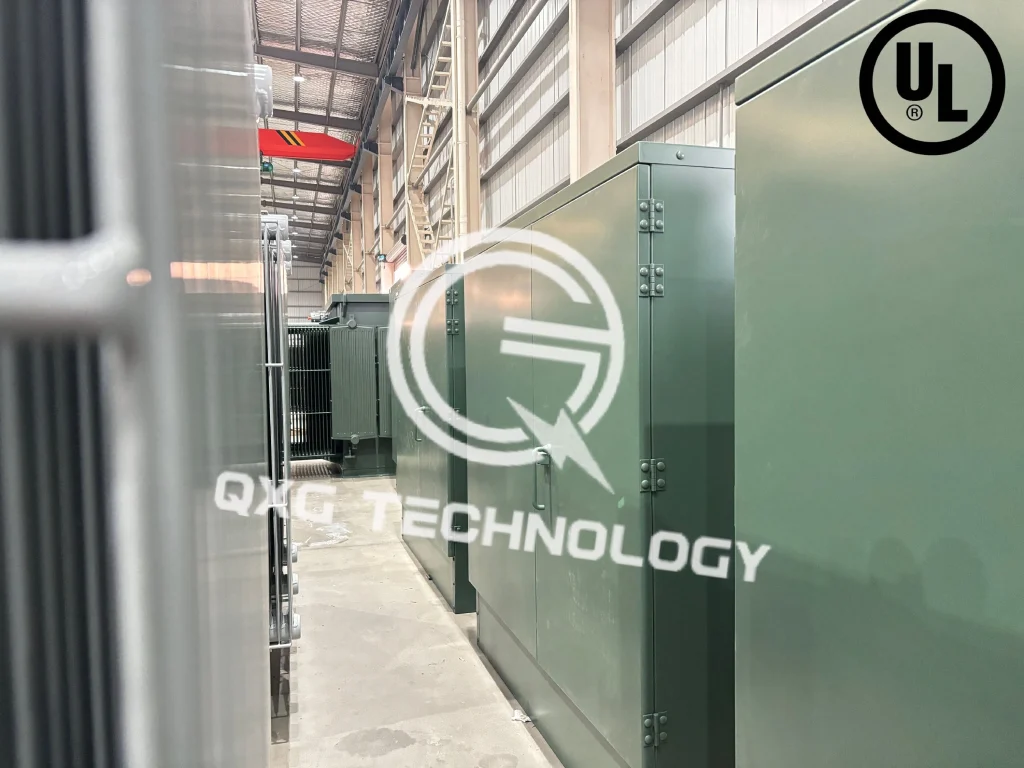
Energy storage transformers are mainly divided into two categories: dry-type and oil-immersed. Dry-type transformers are cast with epoxy resin and feature an oil-free design, offering high safety and excellent fire resistance. They are suitable for indoor or densely populated areas with stringent safety requirements. Oil-immersed transformers use insulating oil for cooling and insulation, offering lower cost, strong overload capacity, and good environmental adaptability. They are typically used in outdoor energy storage projects or cost-sensitive applications with adequate fire clearance. Users can select the appropriate type based on project-specific safety requirements, installation environment, and budget considerations.
Summary
With their core functions of voltage conversion and electrical isolation, high-efficiency design philosophy, and strong adaptability to complex power environments and high power fluctuations, energy storage transformers have become indispensable equipment in energy storage systems. Whether for commercial and industrial storage, large-scale power stations, or PV-storage-charging integrated projects, choosing the right energy storage transformer means achieving higher energy utilization efficiency and better investment returns while ensuring safe and stable system operation.
QXG offers a full range of energy storage transformer products, supporting both dry-type and oil-immersed configurations. Contact us today for more information or a tailored solution.
FAQ
1. What is the main function of an energy storage transformer in an energy storage system?
The primary function of an energy storage transformer is to provide voltage conversion and electrical isolation between the battery system and the power grid. It steps down grid voltage during charging and steps up battery voltage during discharging, enabling safe and efficient bidirectional power flow while protecting both the battery and grid equipment.
2. Why is electrical isolation important in energy storage applications?
Electrical isolation protects sensitive battery systems and grid-side equipment from faults, surges, and interference. In energy storage systems where frequent charge and discharge cycles occur, isolation is essential to ensure operational safety, system stability, and long-term equipment reliability.
3. What is the difference between dry-type and oil-immersed energy storage transformers?
Dry-type transformers use epoxy resin casting and an oil-free design, offering excellent fire resistance and suitability for indoor or densely populated areas. Oil-immersed transformers use insulating oil for cooling and insulation, providing strong overload capacity and lower cost, making them ideal for outdoor or cost-sensitive energy storage projects.
4. How do energy storage transformers handle harmonics generated by power electronic equipment?
Energy storage systems contain inverters and other power electronic devices that generate harmonics. Energy storage transformers are specially designed to withstand harmonic currents, reducing stress on the transformer and ensuring stable, long-term operation even in complex power environments.
5. Why is high efficiency critical for energy storage transformers?
Energy storage systems experience frequent daily charge-discharge cycles, and every energy conversion through the transformer causes some loss. High-efficiency energy storage transformers minimize these losses, improving overall system efficiency and delivering better economic returns over long-term project operation.